New E-Learning Modules for the Tax and Customs Sectors
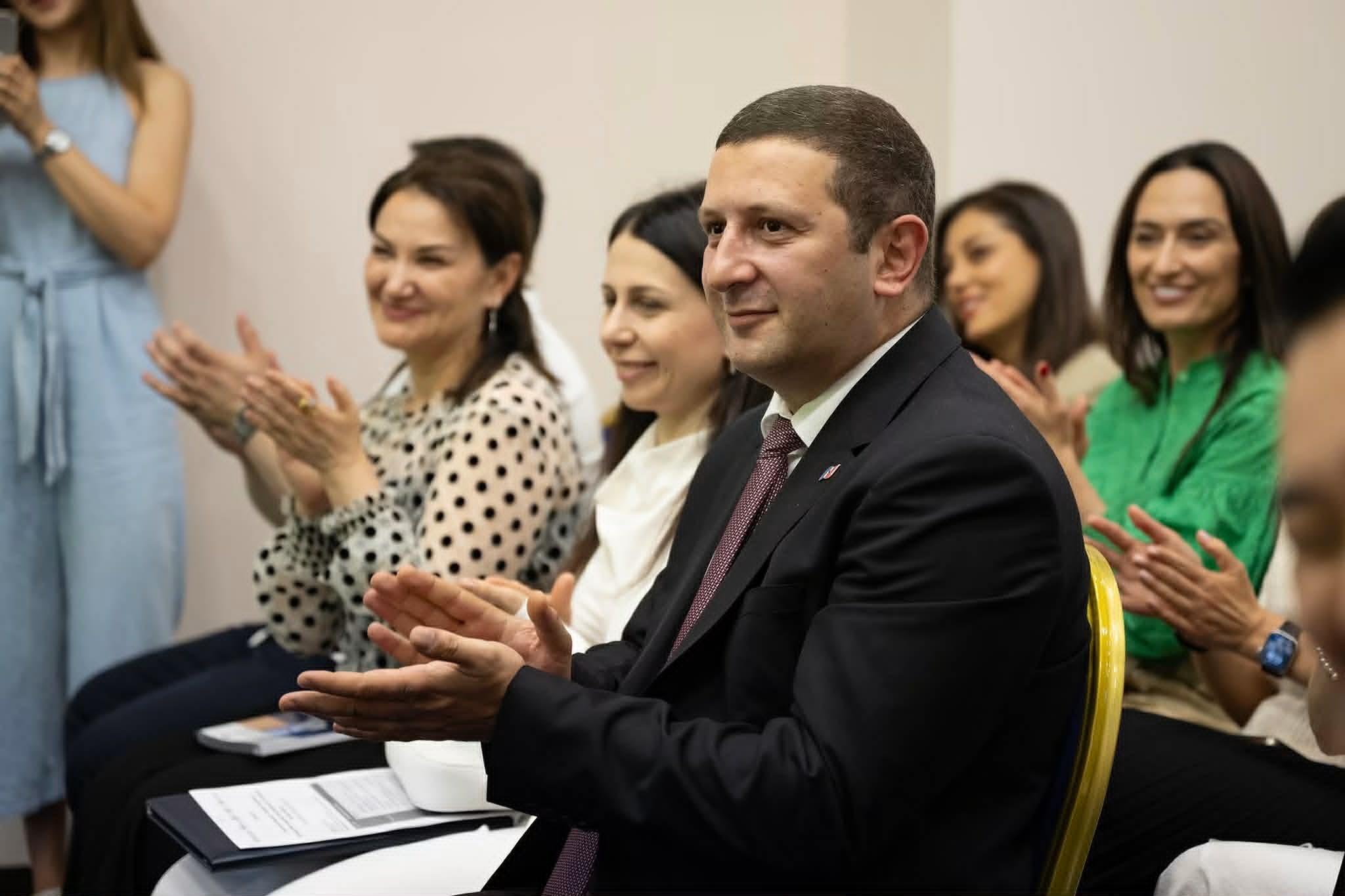
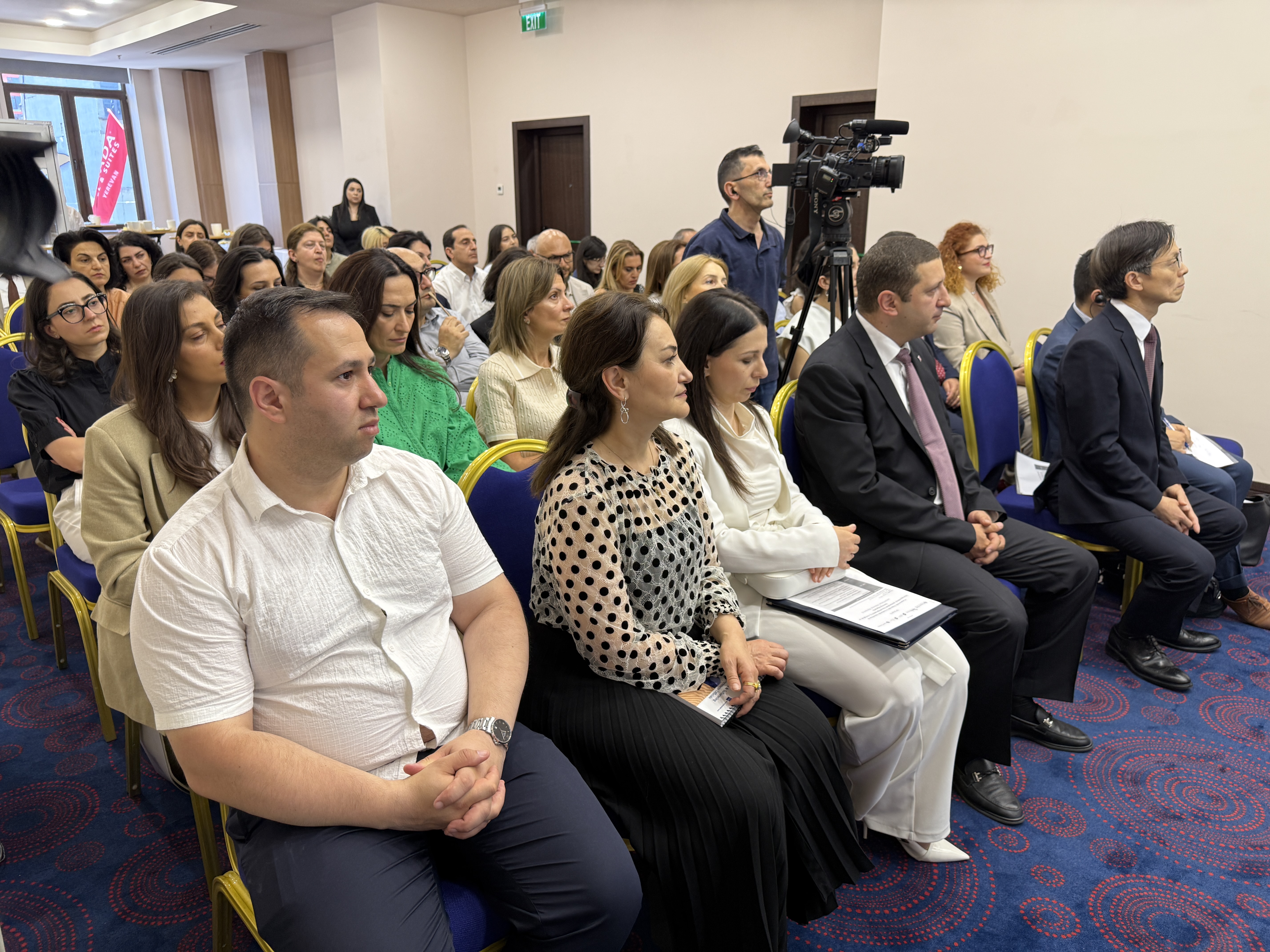
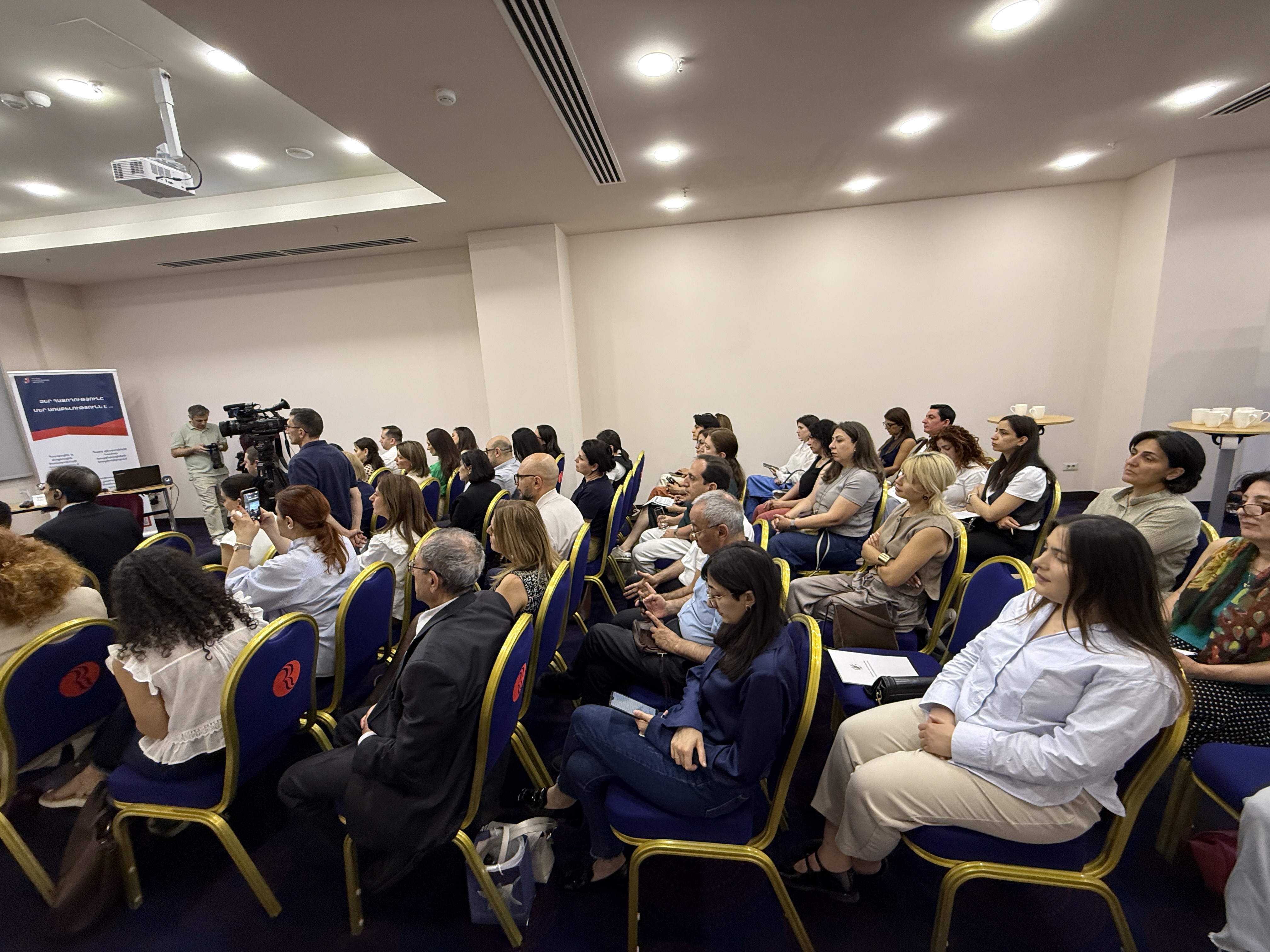
On 17 June, the official launch event of the project "Access to Skills Development in Armenia's Customs and Tax Sectors through E-Learning" took place, bringing together around 50 representatives from public institutions, donor and international organisations, academia, and the media.
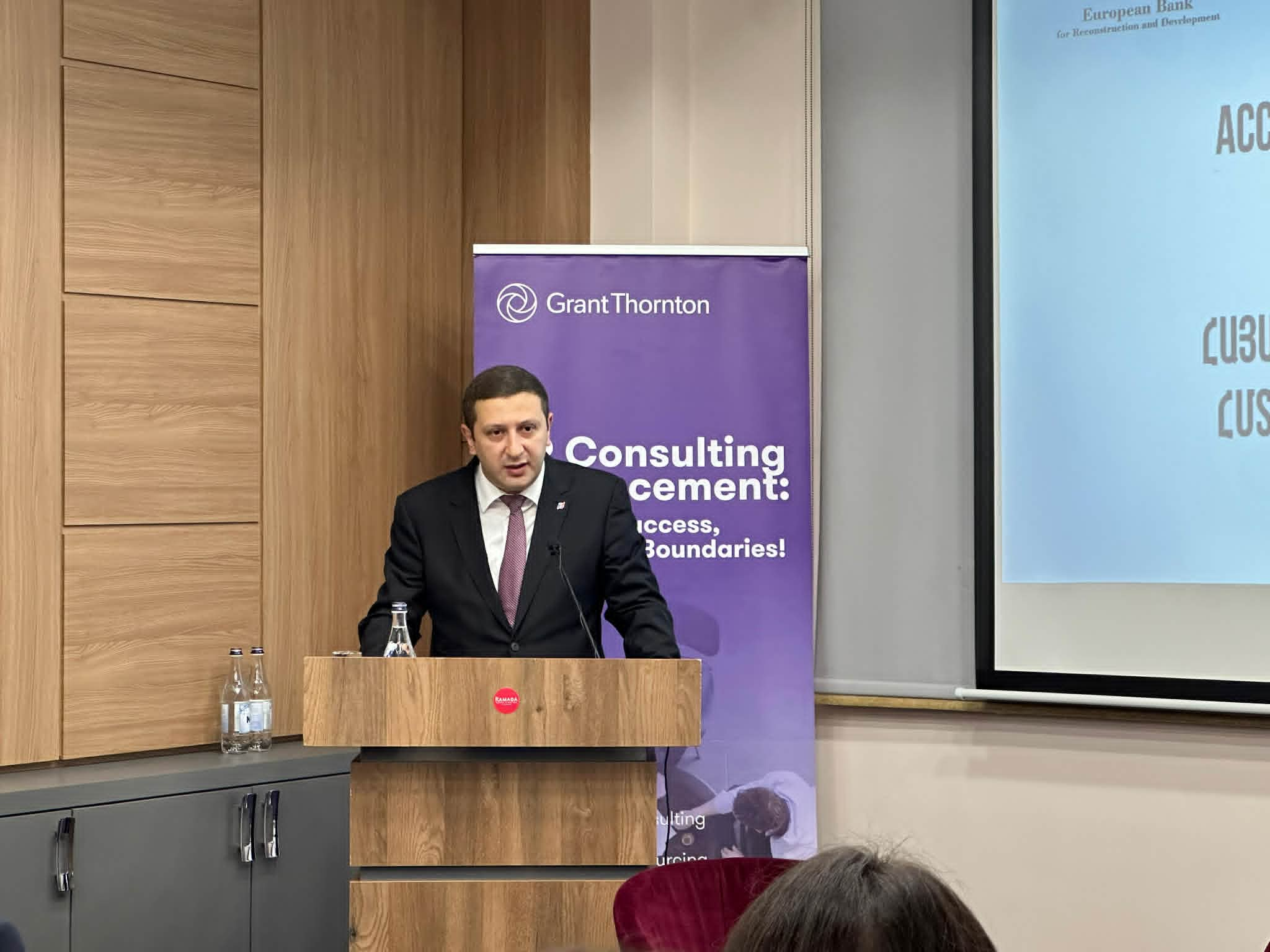
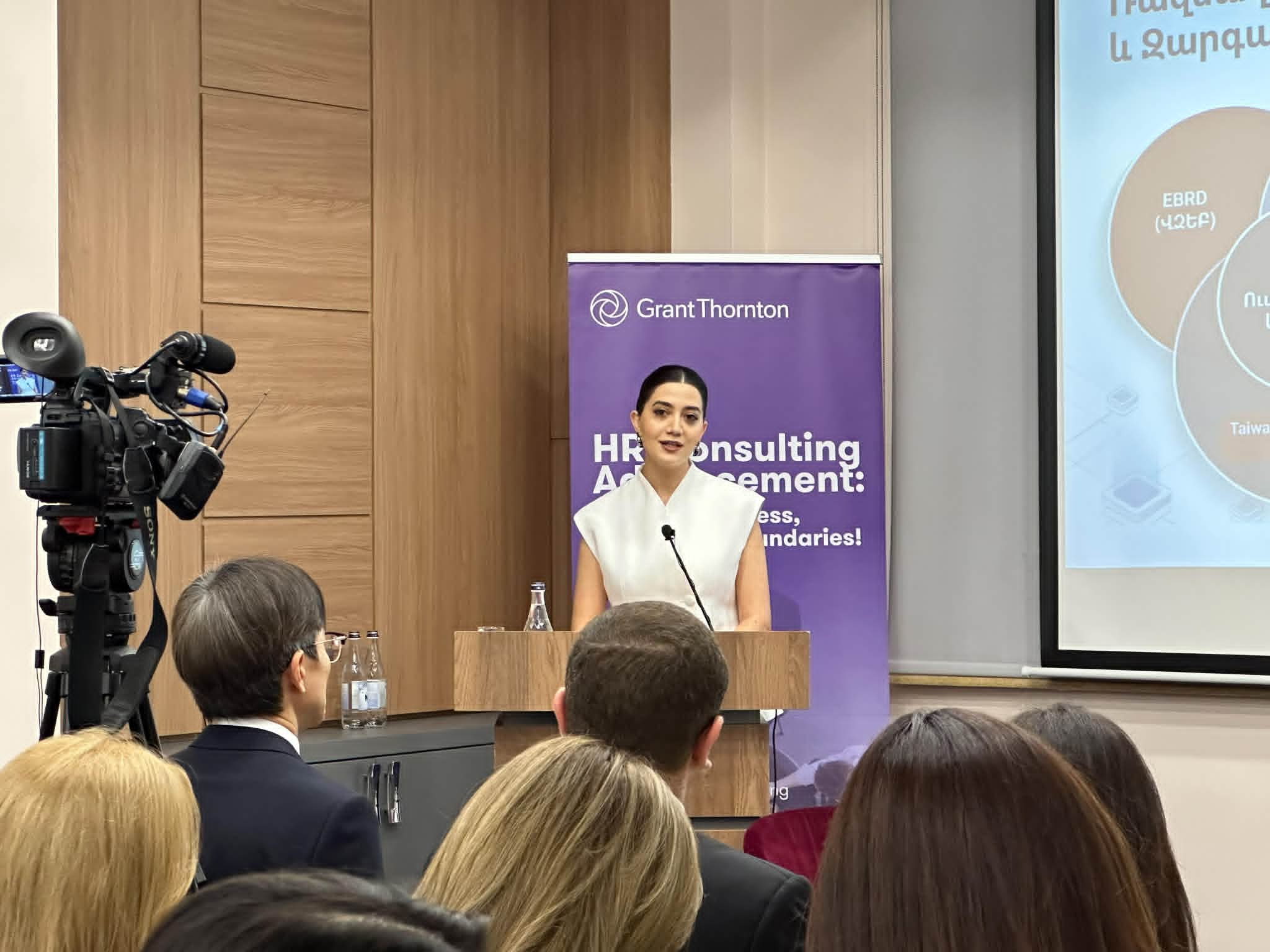
Opening the event, Karen Tamazyan, Deputy Chairman of the State Revenue Committee (SRC) of the Republic of Armenia, emphasised that the initiative is not merely the launch of a digital learning platform but a transformation in the approach to knowledge transfer and professional development. According to him, e-learning makes it possible to overcome geographical barriers and ensure equal access to professional education for specialists across all regions of Armenia while enabling rapid adaptation to the evolving demands of the tax and customs sectors.
Arusyak Mirzakhanyan, Director of the SRC Training Center, addressed the ongoing discussion regarding the effectiveness of online versus traditional learning, highlighting that these two formats do not compete but rather complement one another. She noted that e-learning provides structured and accessible delivery of professional knowledge, whereas classroom-based instruction and direct interaction with trainers foster participant engagement and motivation. The combination of these approaches creates a more effective and modern educational environment.
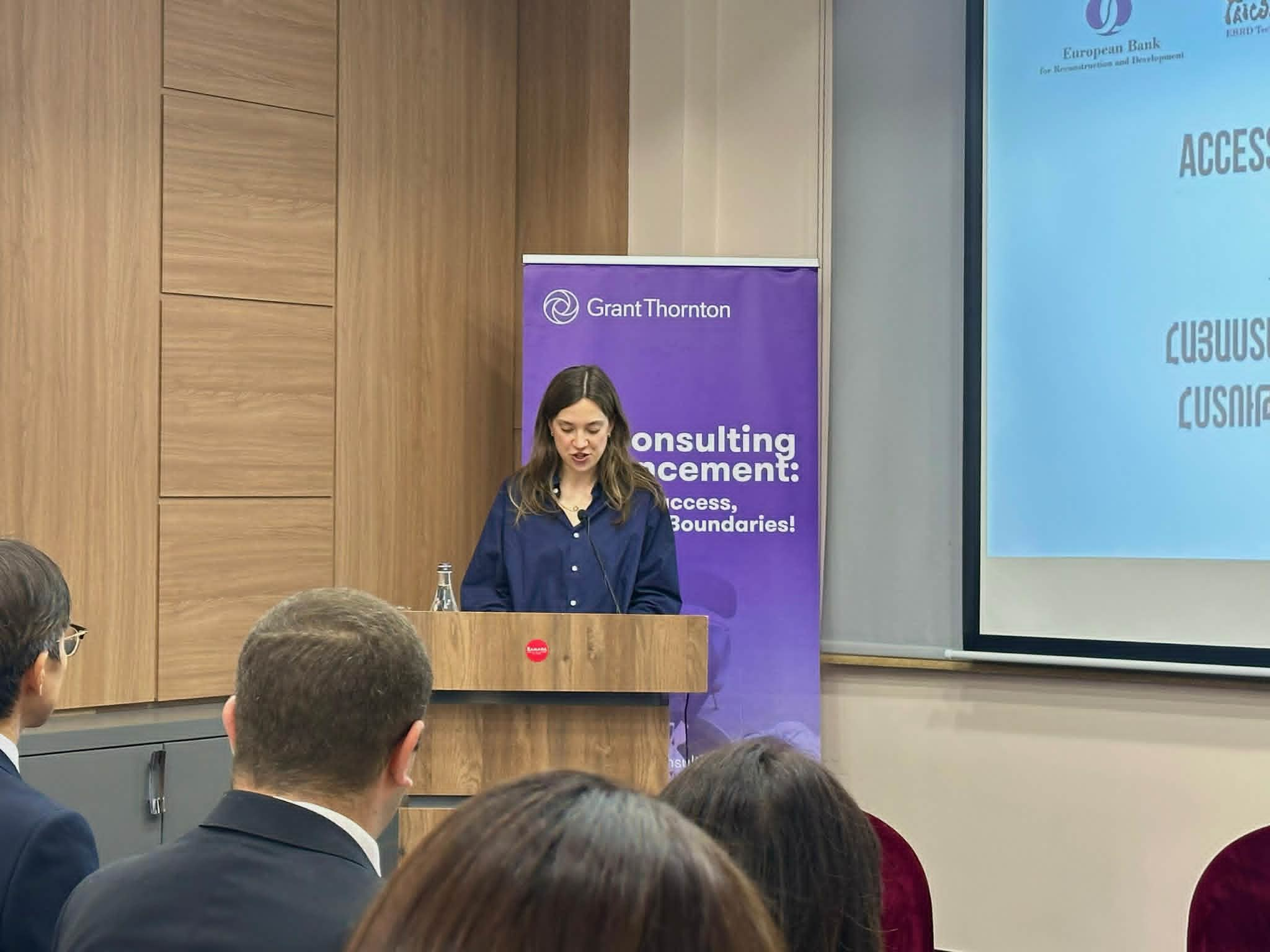
Dagmara Chwalowska, Economic Analyst at the Gender and Economic Inclusion Department of the European Bank for Reconstruction and Development (EBRD), stated that the project was developed based on a well-defined need, aiming to expand educational opportunities and enhance learning flexibility. She underlined the importance of introducing new data science modules and emphasised the project's inclusive nature, which is expected to benefit approximately 2,000 beneficiaries, including professionals from remote communities, while also promoting gender equality.
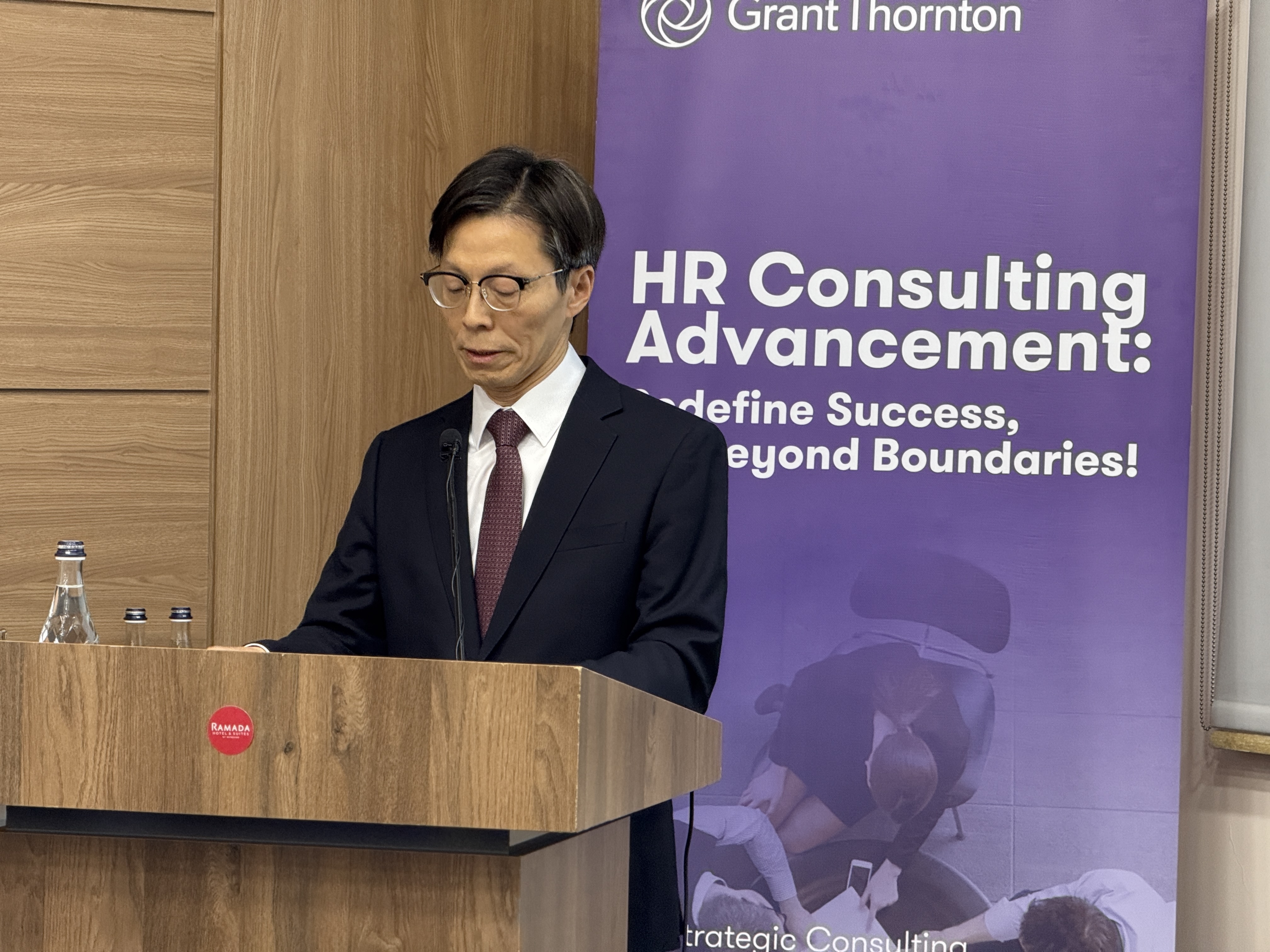
Wei Bai-Gu, Representative of Taiwan, highlighted Armenia's progress in digital technologies and expressed readiness to strengthen cooperation and exchange expertise, particularly in the fields of customs administration and digital governance.
Azat Manukyan, Representative of Grant Thornton Armenia, presented the company's contribution to the implementation of the project, emphasising the importance of cooperation between public institutions and international partners in expanding access to non-formal education and fostering human capital development.
Ani Jabaghyan, Head of the Research and Innovation Division at the RA SRC Training Center, introduced the Center's main operational directions, ongoing programs, and vision for the future development of the e-learning platform. She emphasised that the Center's mission is to provide continuous and valuable educational opportunities for SRC employees, public servants, and all other interested stakeholders. A clear proof of this commitment is the e-learning platform, launched in 2024, which has already provided more than 1,500 participants with access to online courses covering tax and customs officer professional training, as well as soft skills development.
Within the scope of the project, new digital educational modules will be developed and introduced in the fields of customs and taxation, as well as data science, digital tools, leadership, and other contemporary topics.
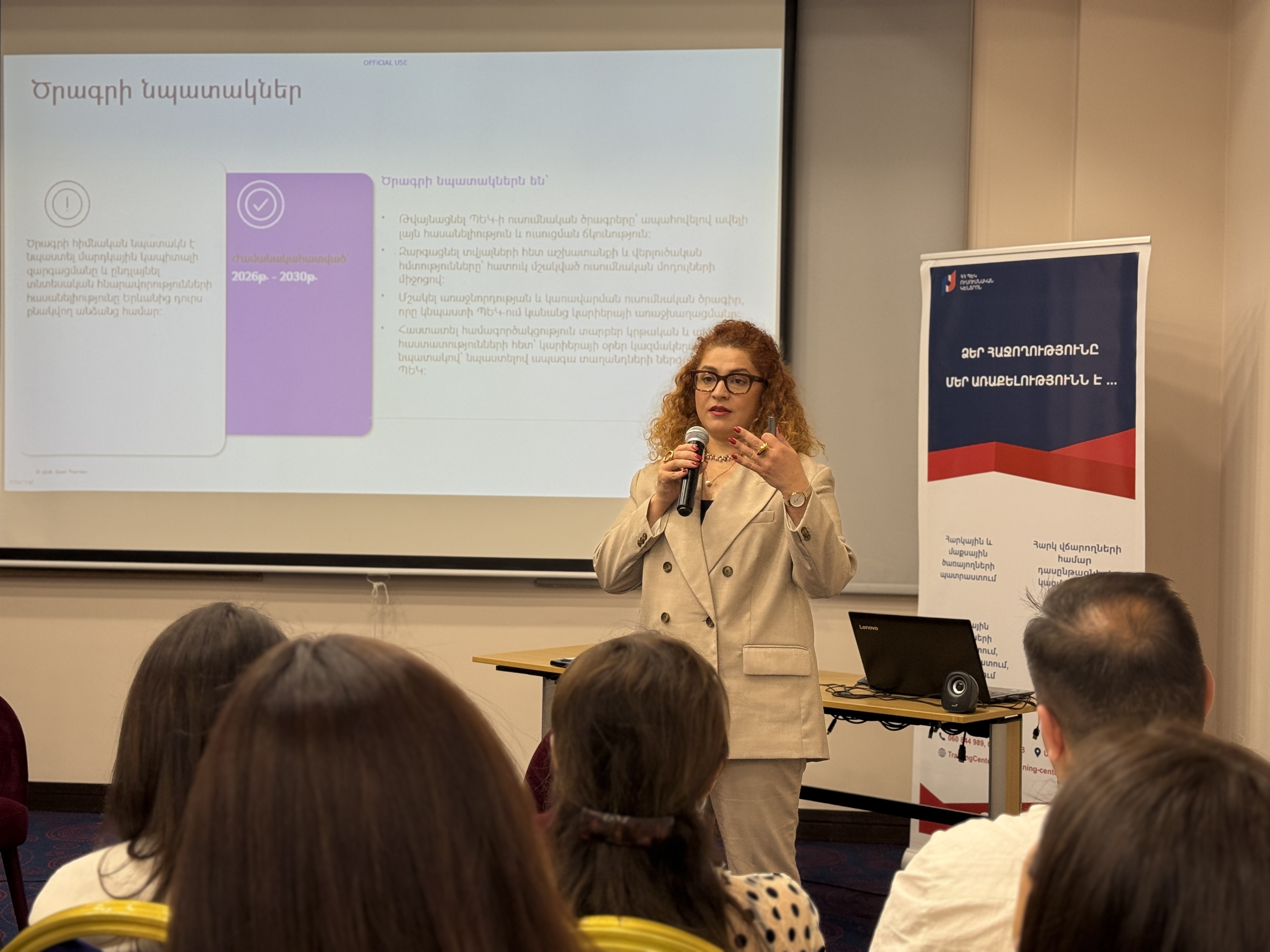
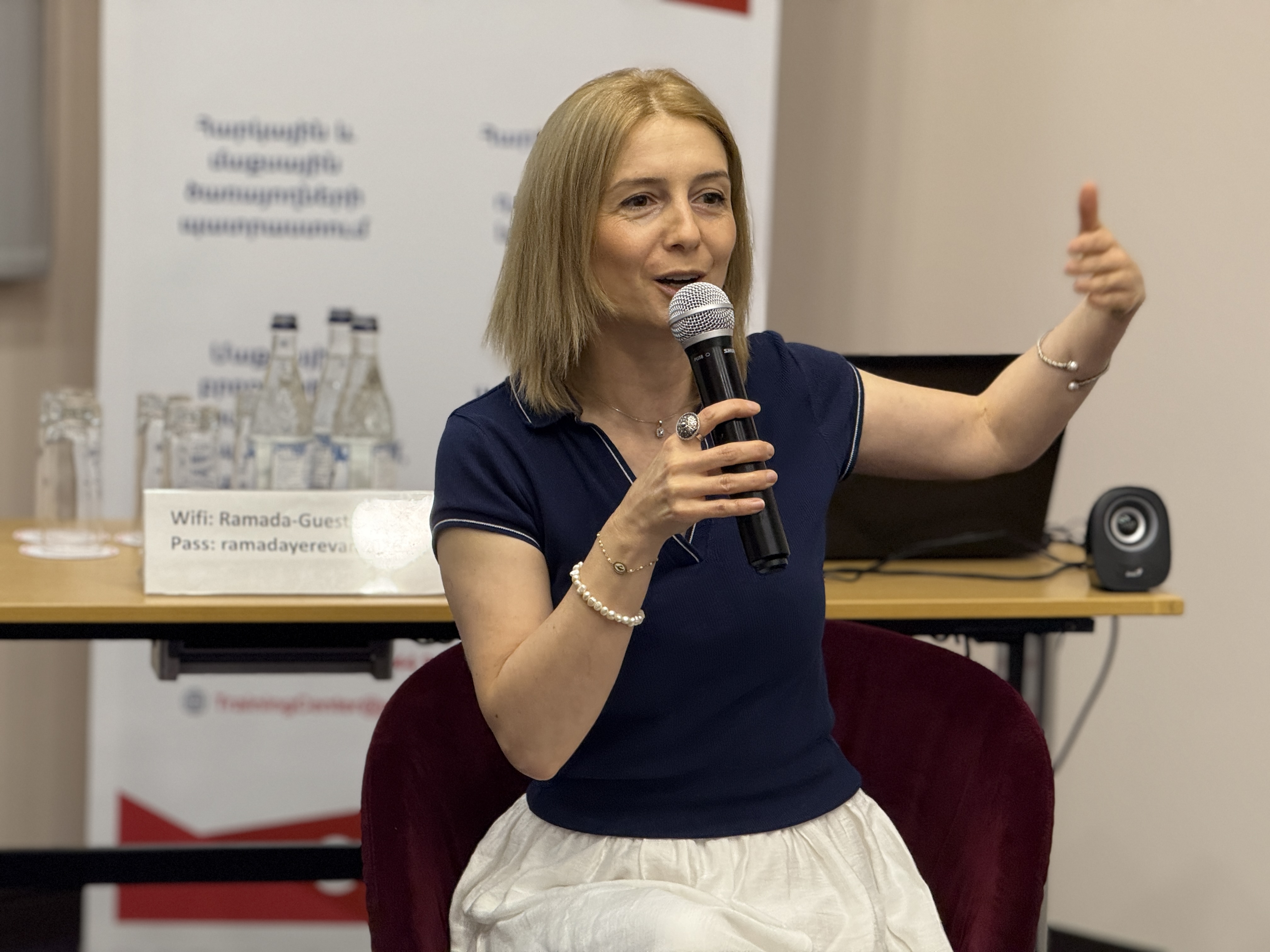
Lilit Gevorgyan, Head of HR Consulting Services at Grant Thornton Armenia, added that the project aims to ensure continuous educational opportunities for both newly recruited and current SRC employees. According to her, the initiative is designed as a four-year program, during which approximately 30 core customs and tax training modules will be digitized. She also noted that the program will incorporate modern digital technologies and artificial intelligence (AI) tools to deliver more interactive and engaging learning content. Around 2,000 professionals are expected to be trained, with special attention given to increasing women's participation.
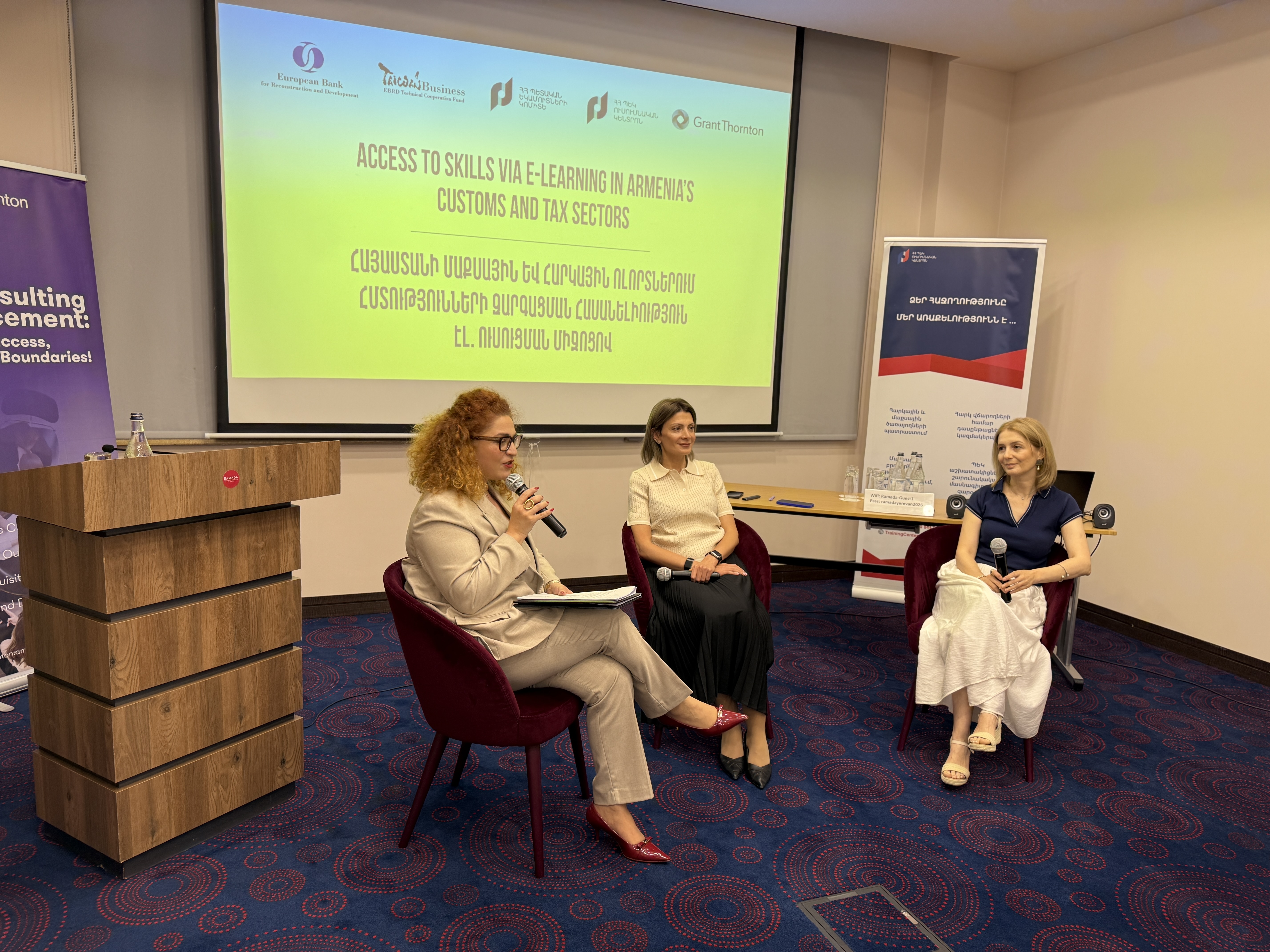
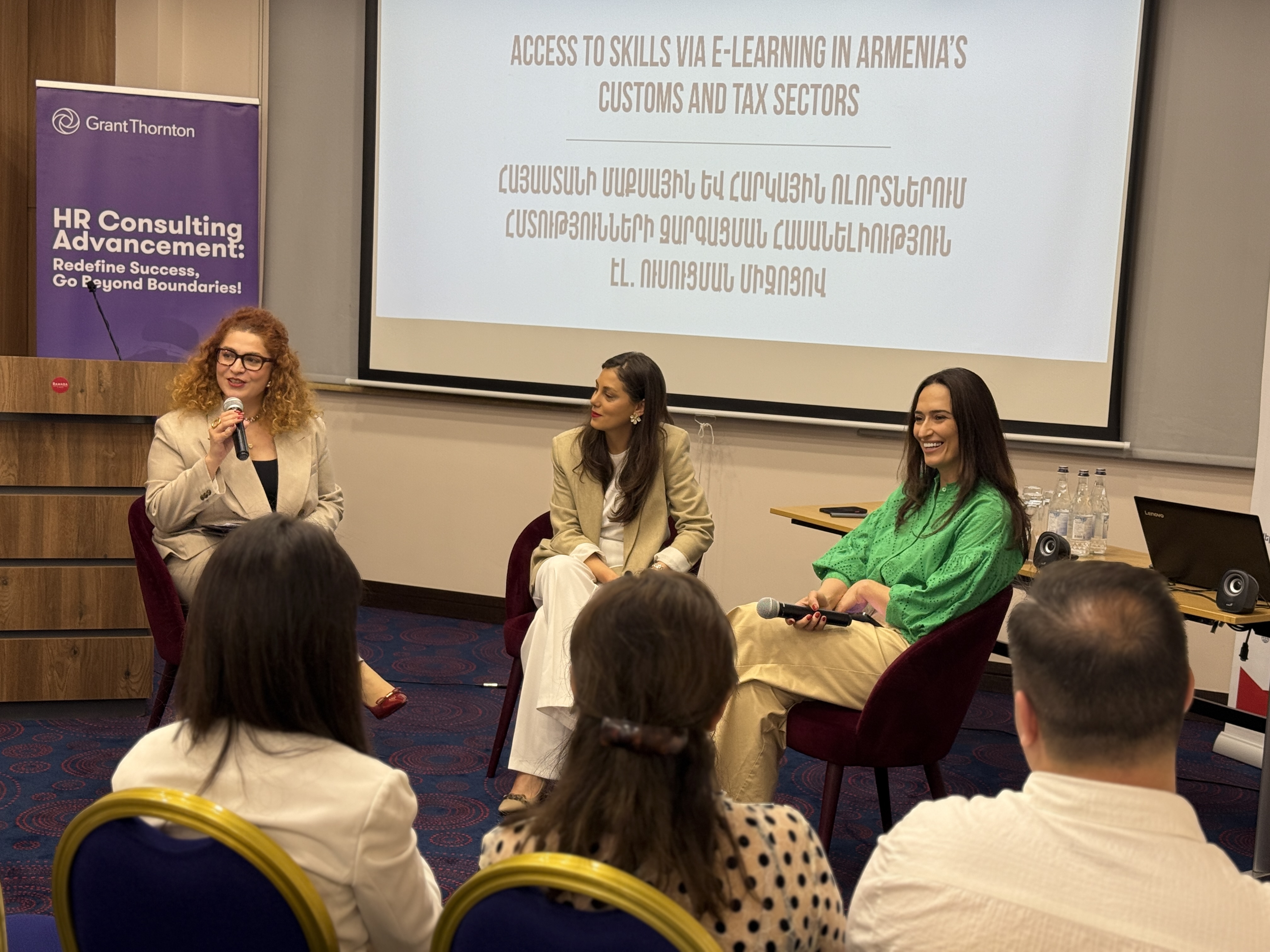
The event also featured expert discussions and panel debates dedicated to the effectiveness of digital and traditional learning, as well as the transformation of learning processes in today's rapidly changing world.
This project marks an important milestone in the new phase of development of the SRC Training Center and aims to expand professional skills development opportunities through modern educational technologies, thereby contributing to human capital development and improving access to education.
The project is implemented with the support of the European Bank for Reconstruction and Development (EBRD) and funded by the TaiwanBusiness-EBRD Technical Cooperation Fund. It is implemented by Grant Thornton Armenia under the leadership of the State Revenue Committee of the Republic of Armenia.