Practical Skills Through International Experience: Cooperation with the Ukrainian Customs Training Centre Gets Underway
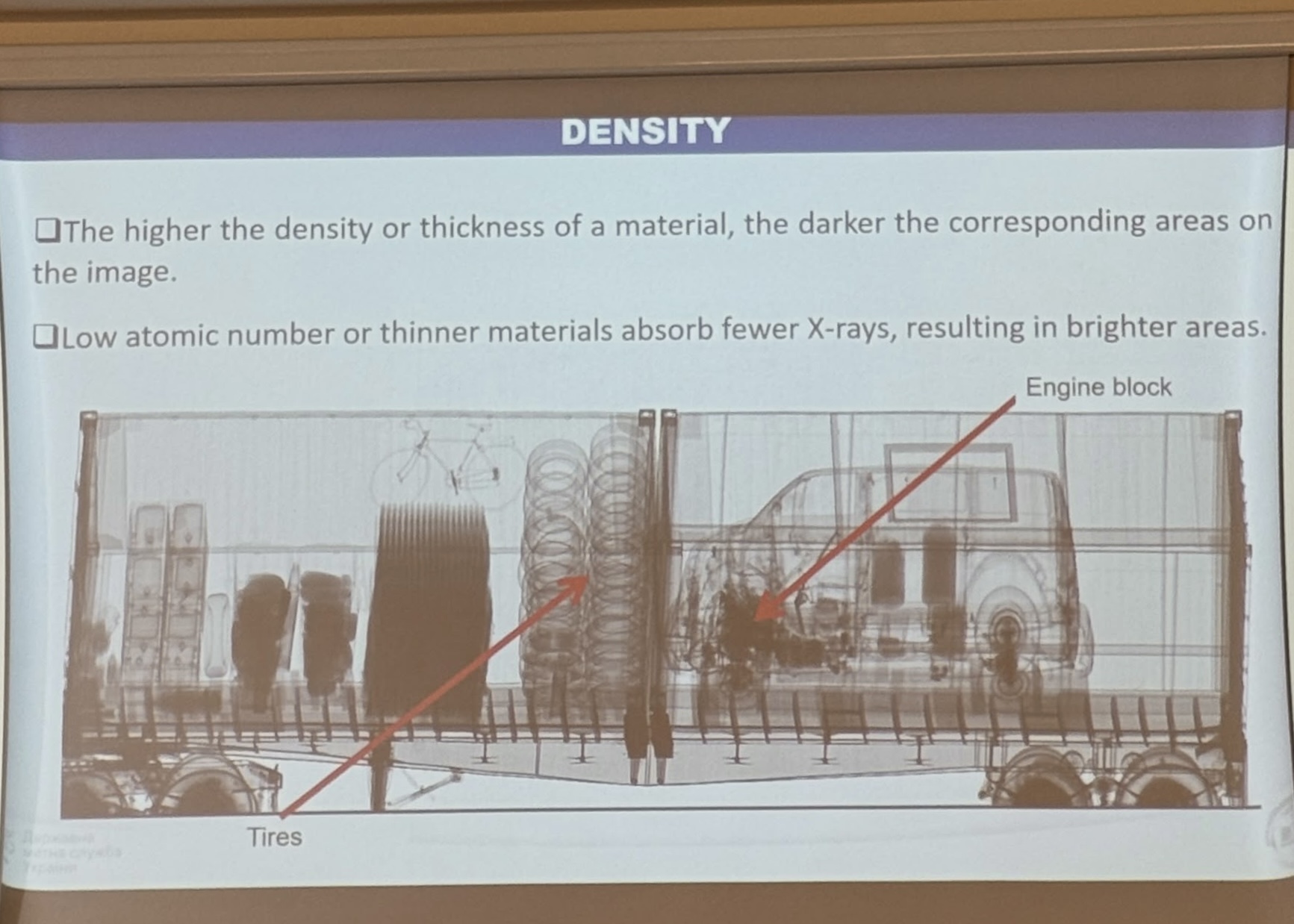
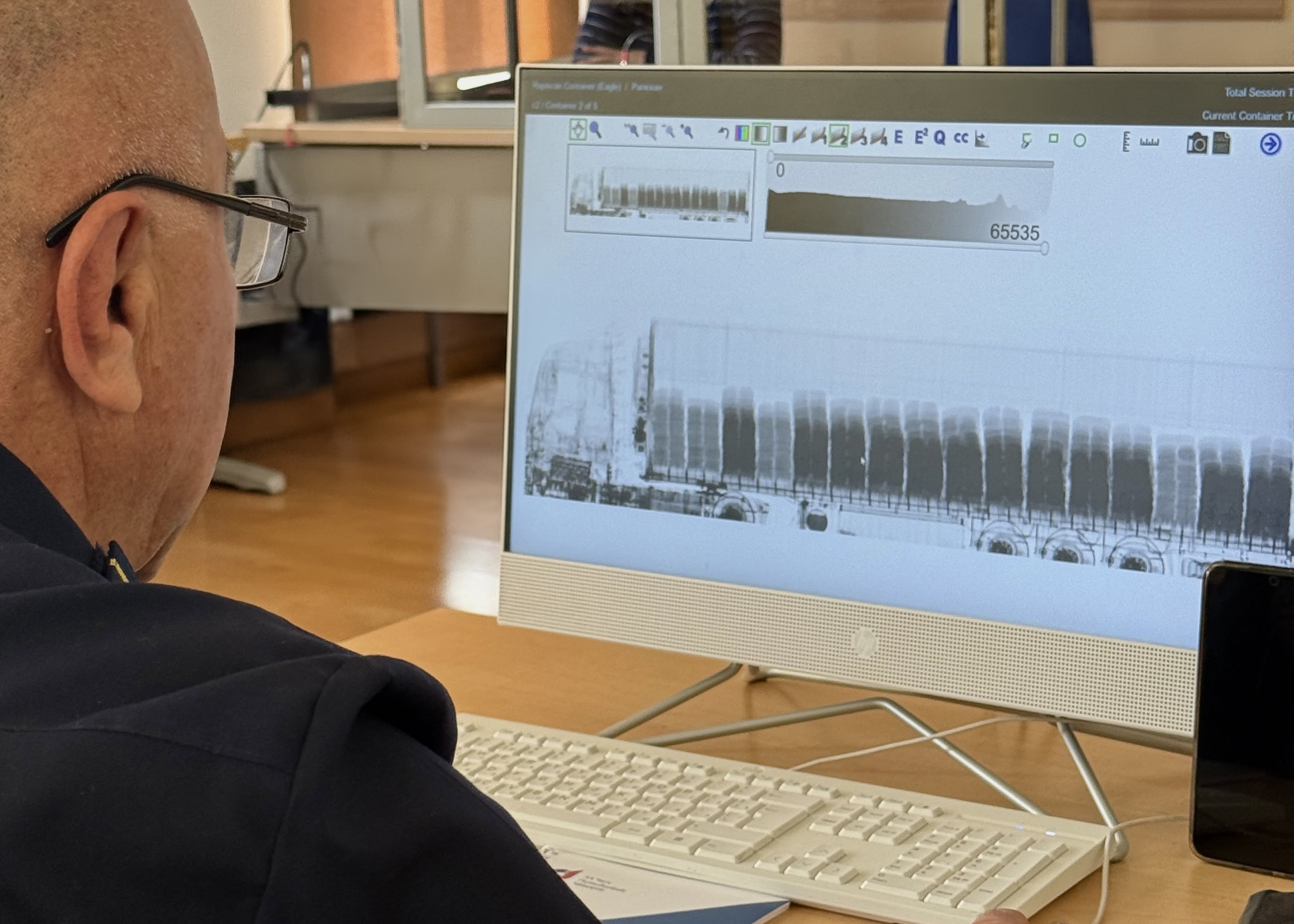
How can prohibited goods concealed in cargo be identified by analysing images generated by X-ray scanning systems? What should operators look for, how can suspicious areas be distinguished, and what methods can improve the effectiveness of inspection procedures?
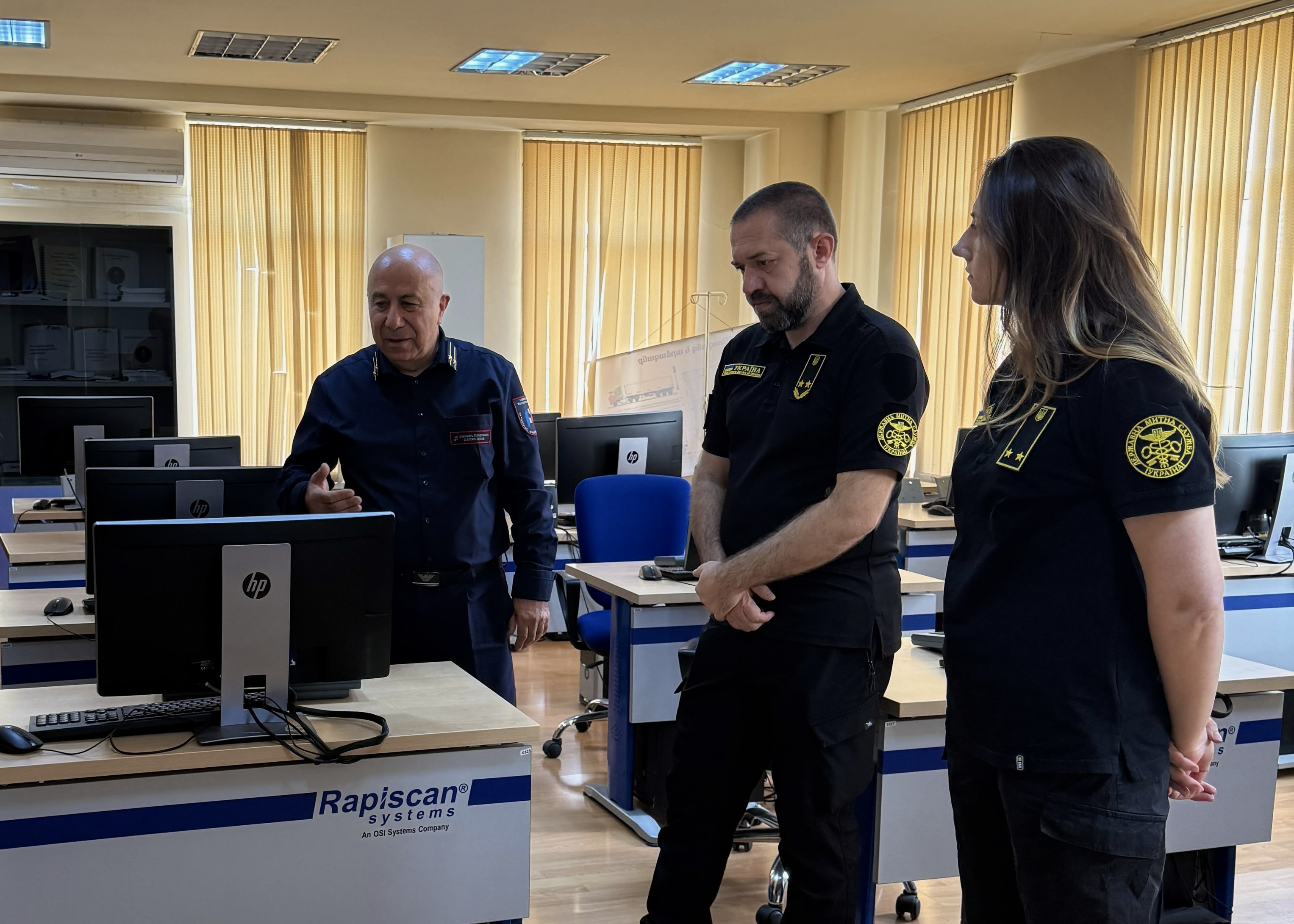
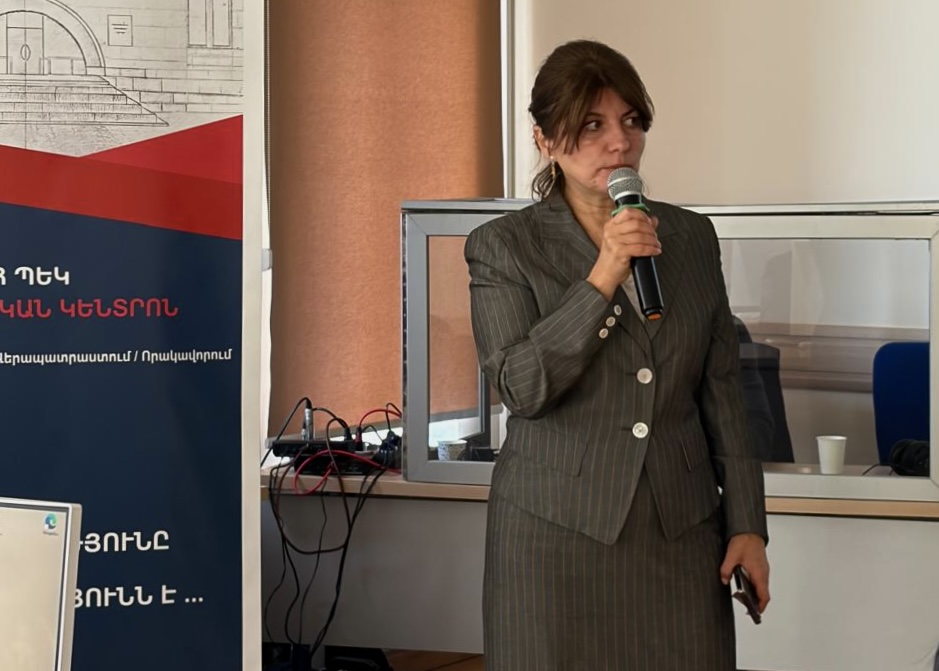
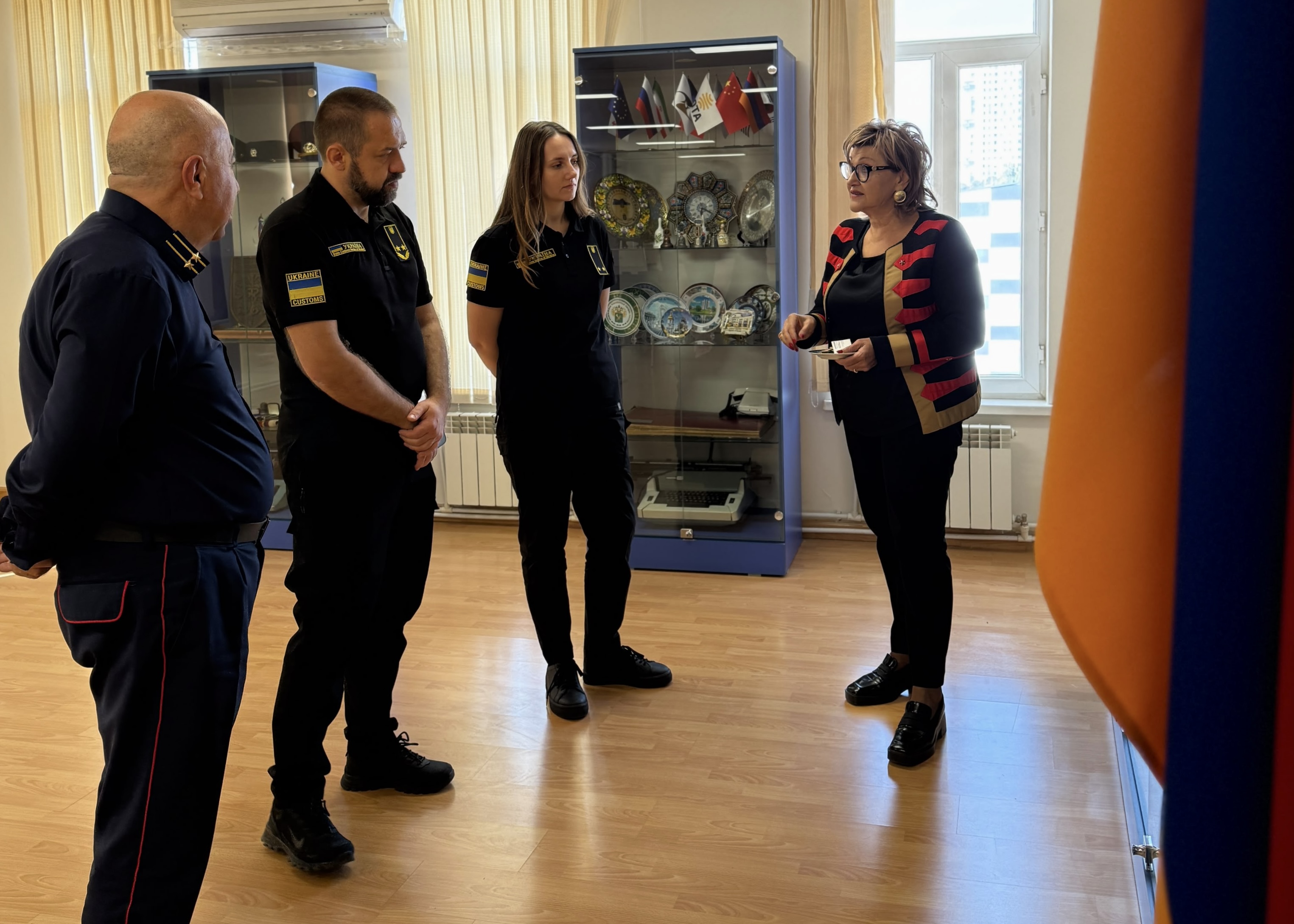
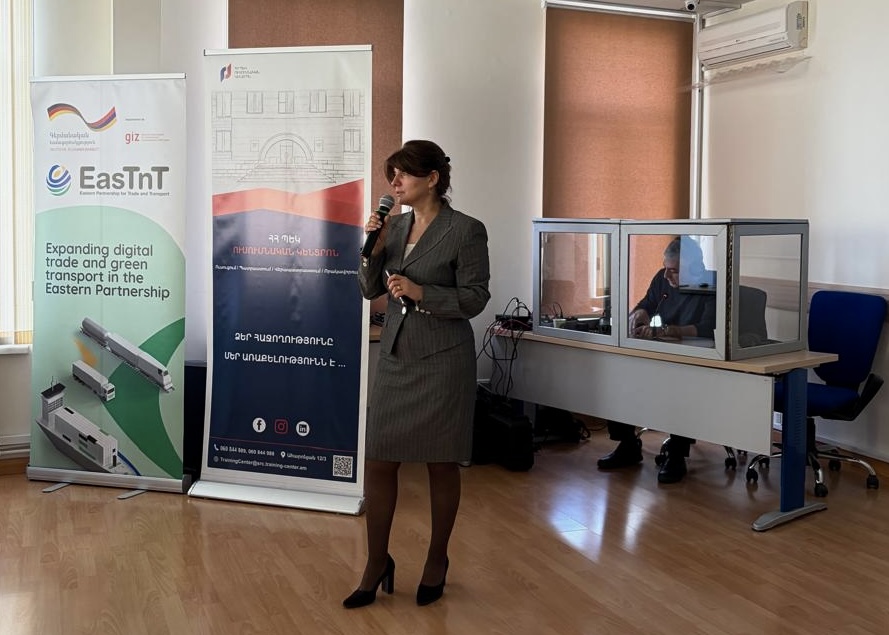
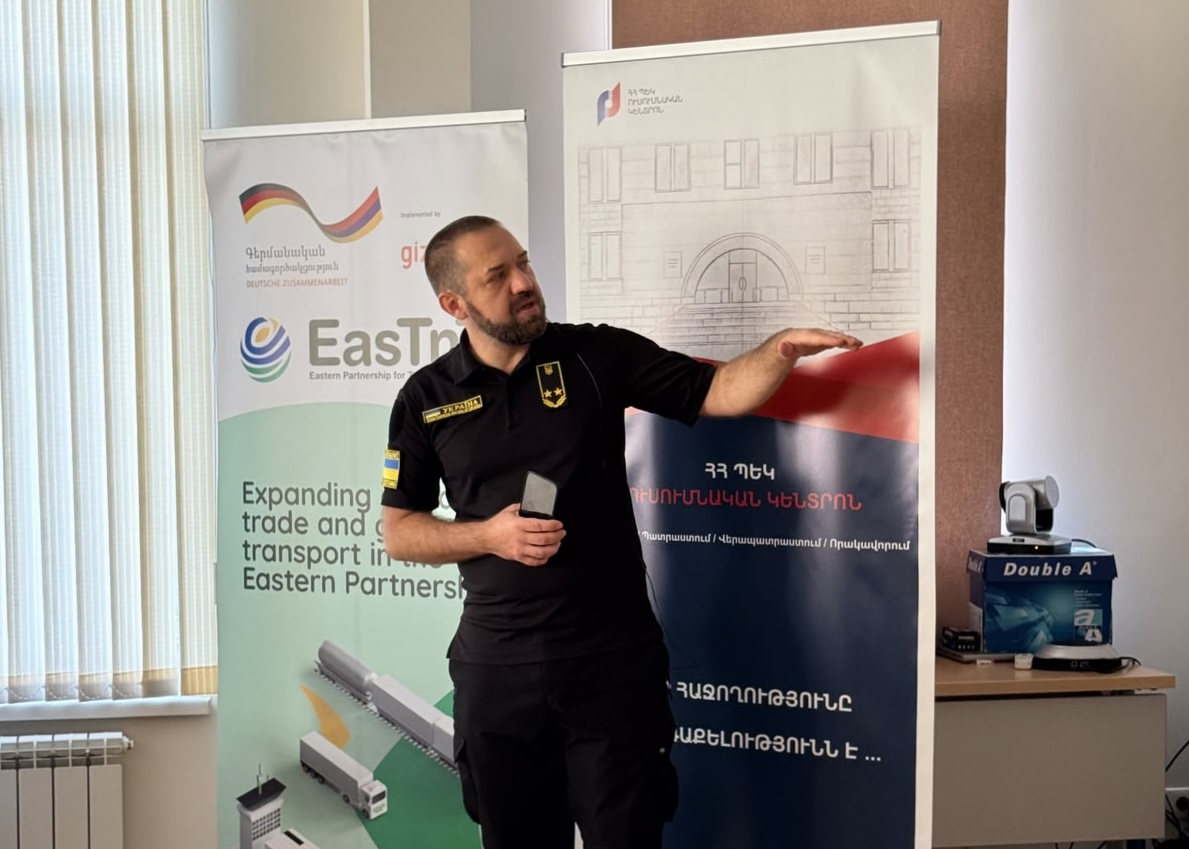
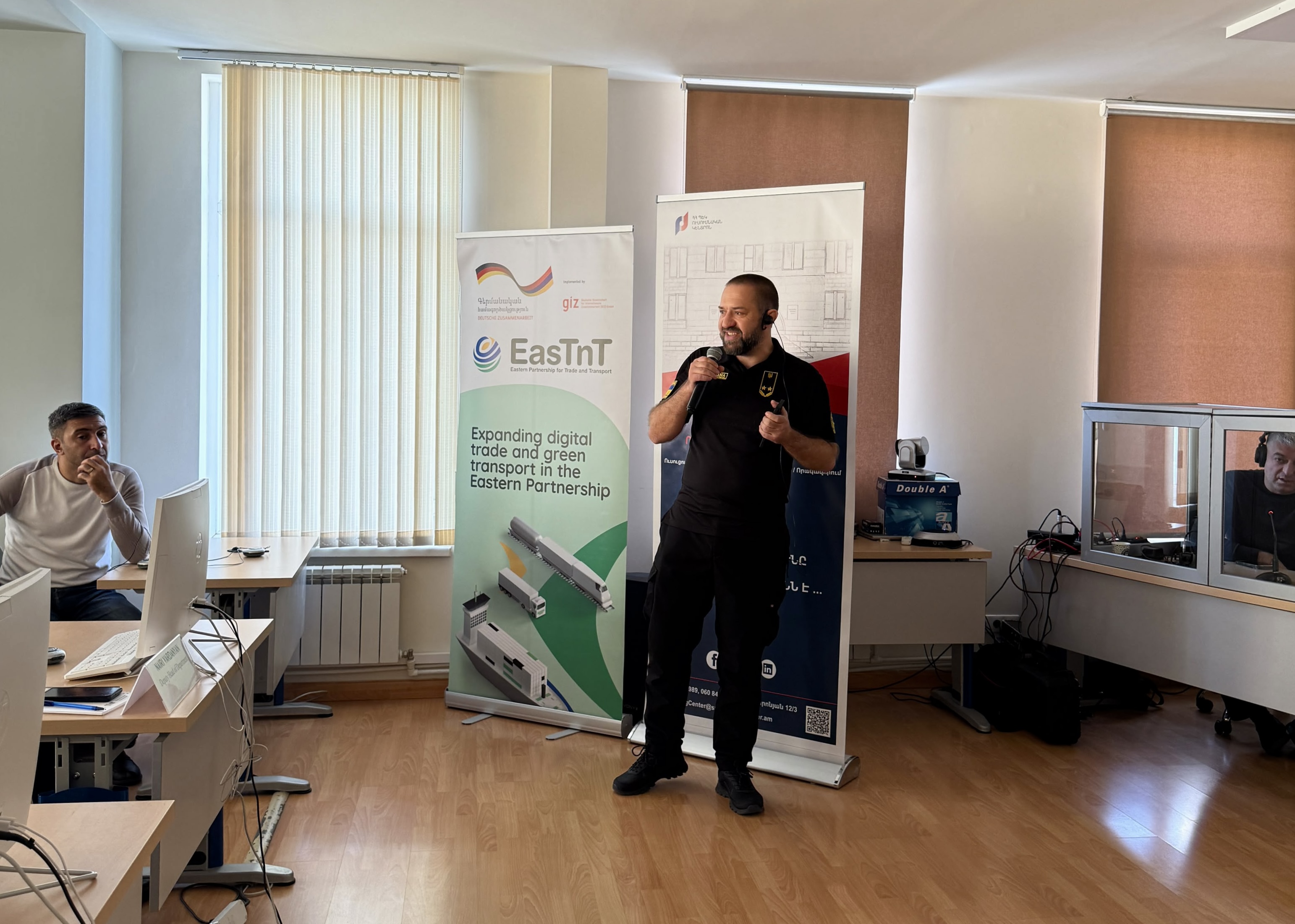
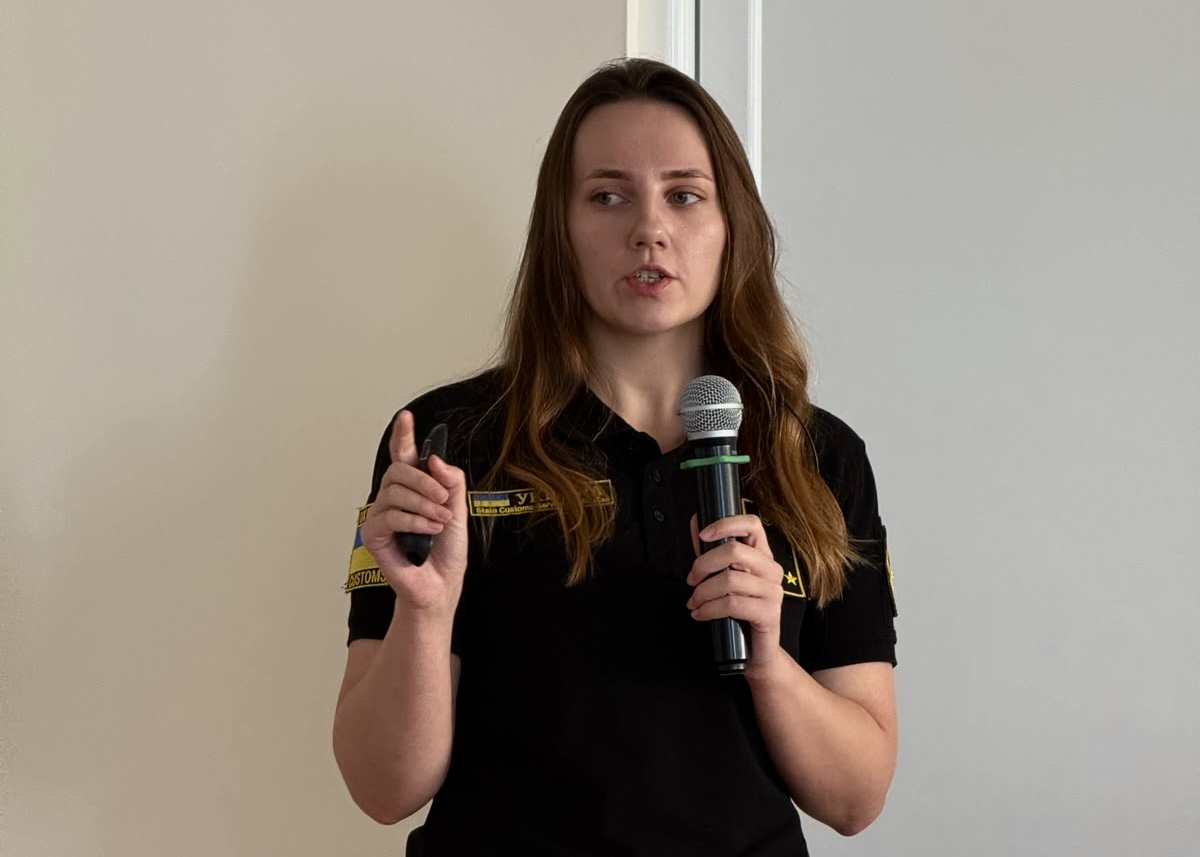
These are among the key areas addressed through the newly launched cooperation between the Training Centre of the State Revenue Committee of the Republic of Armenia and the Customs Training Centre of Ukraine, with the support of the Armenian Office of the German Agency for International Cooperation (GIZ).
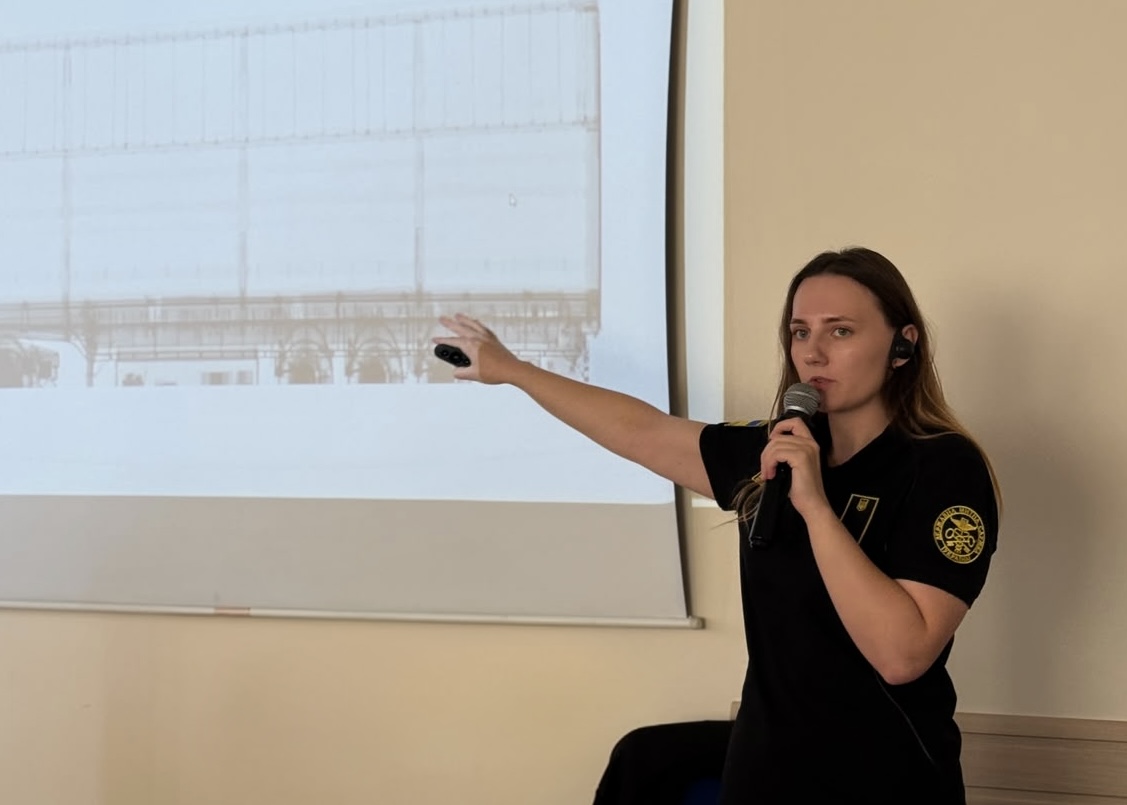
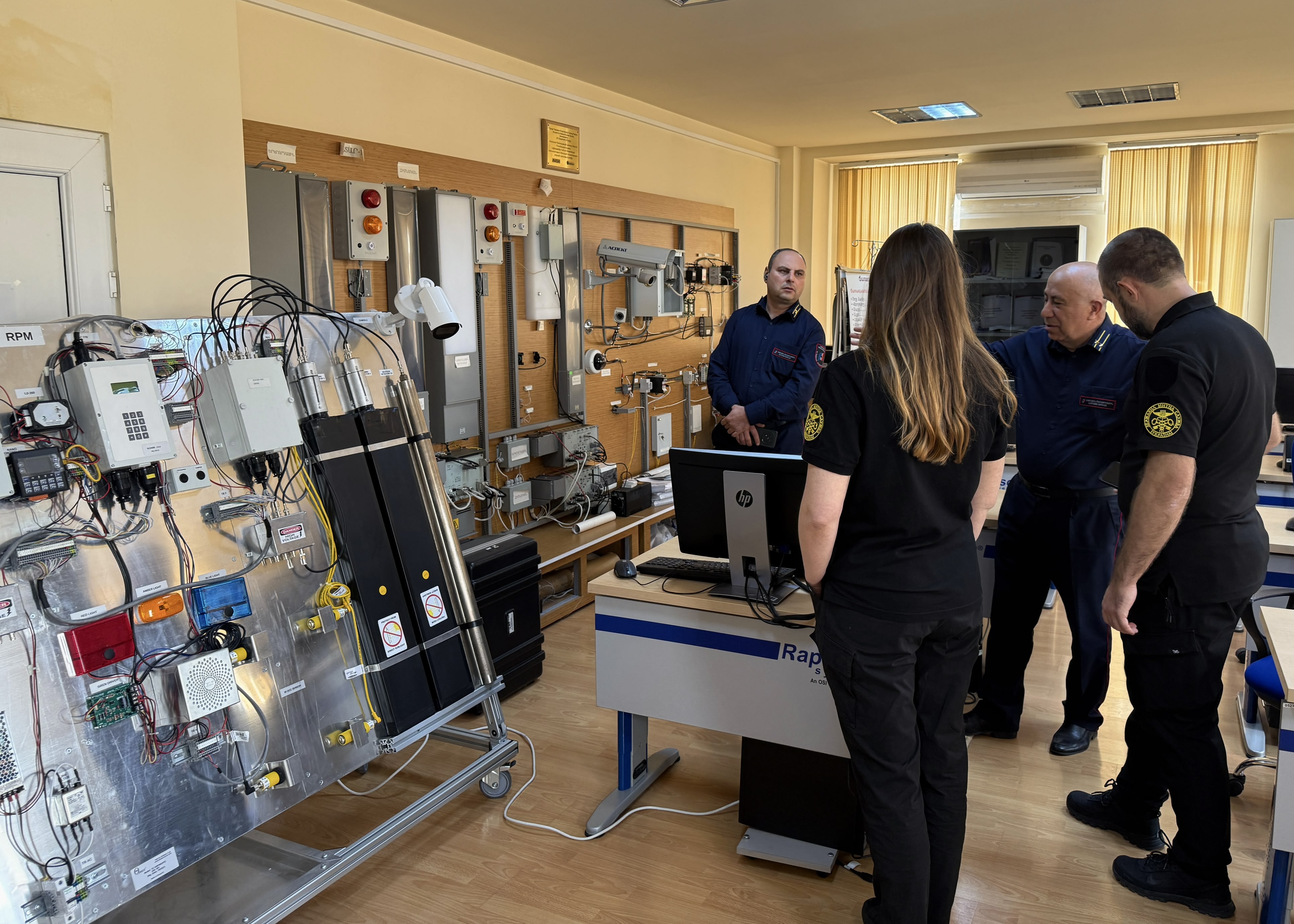
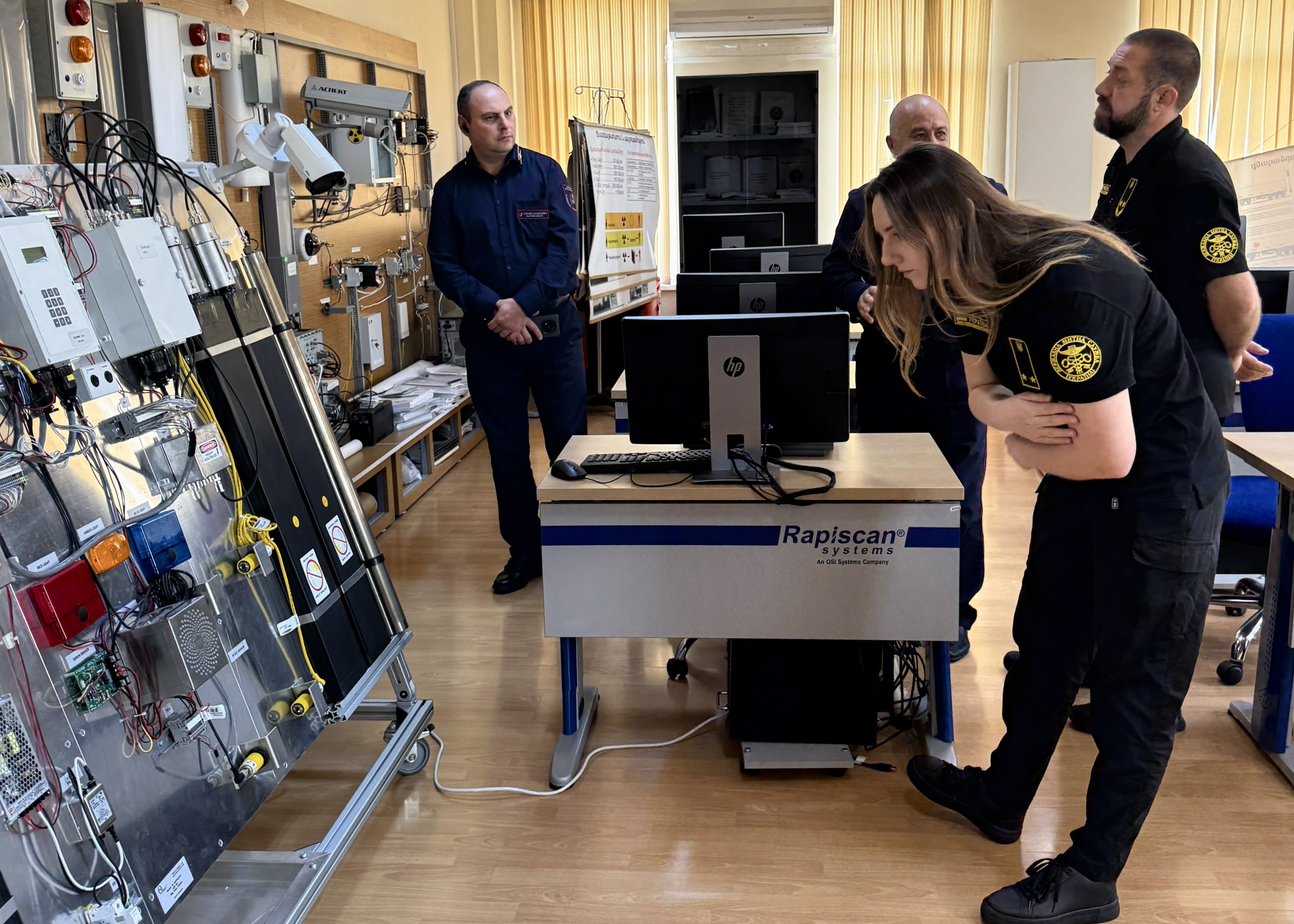
As part of this cooperation, the SRC Training Centre will host Ukrainian experts who will deliver training programmes in three main areas:
- Cargo Inspection: professional training on cargo inspection processes and systems.
- Customs Procedures in Emergency Situations: exchange of experience and Training of Trainers (ToT).
- Combating the Illicit Trafficking of Narcotic Drugs and Medicinal Products: Training of Trainers (ToT).
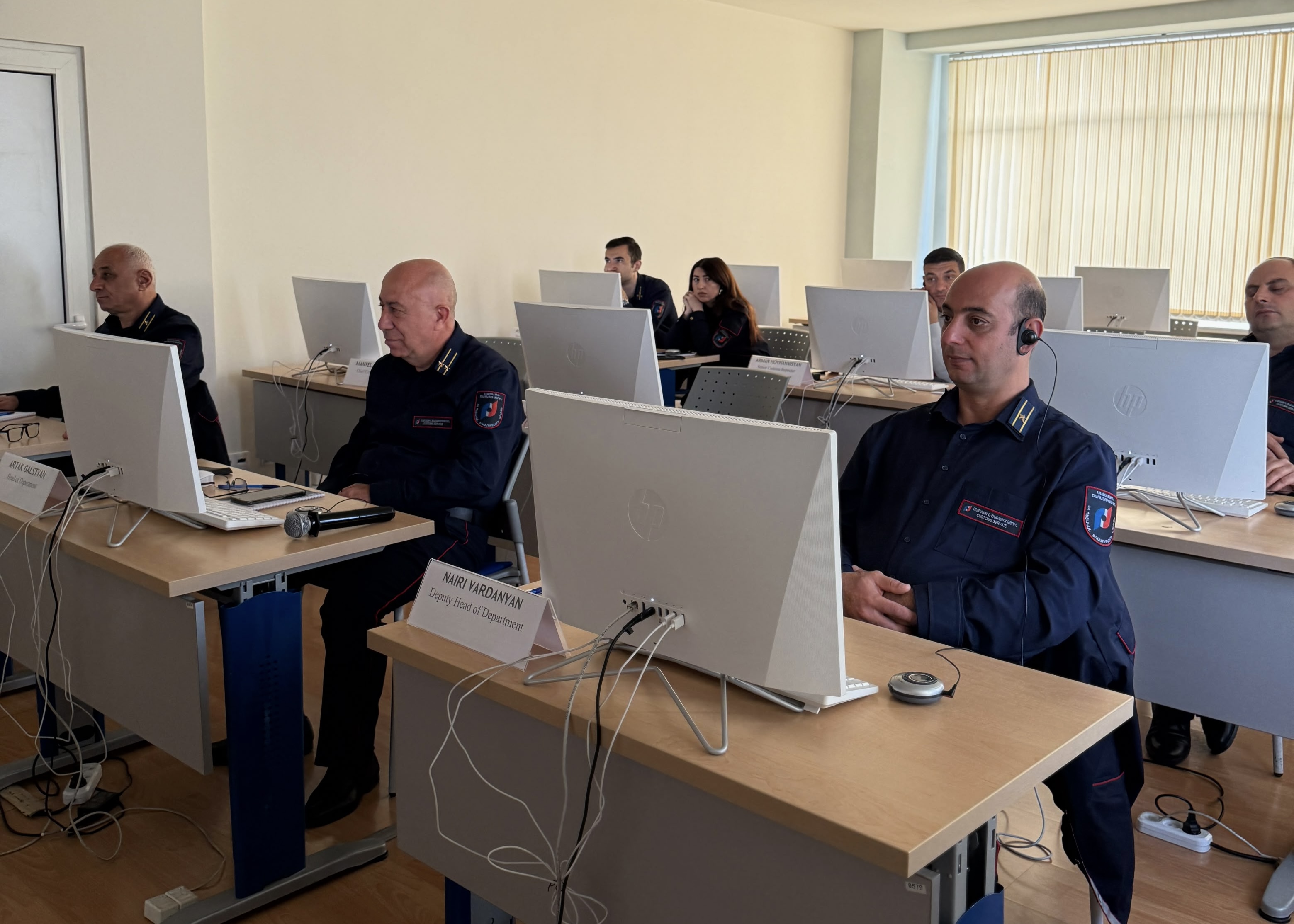
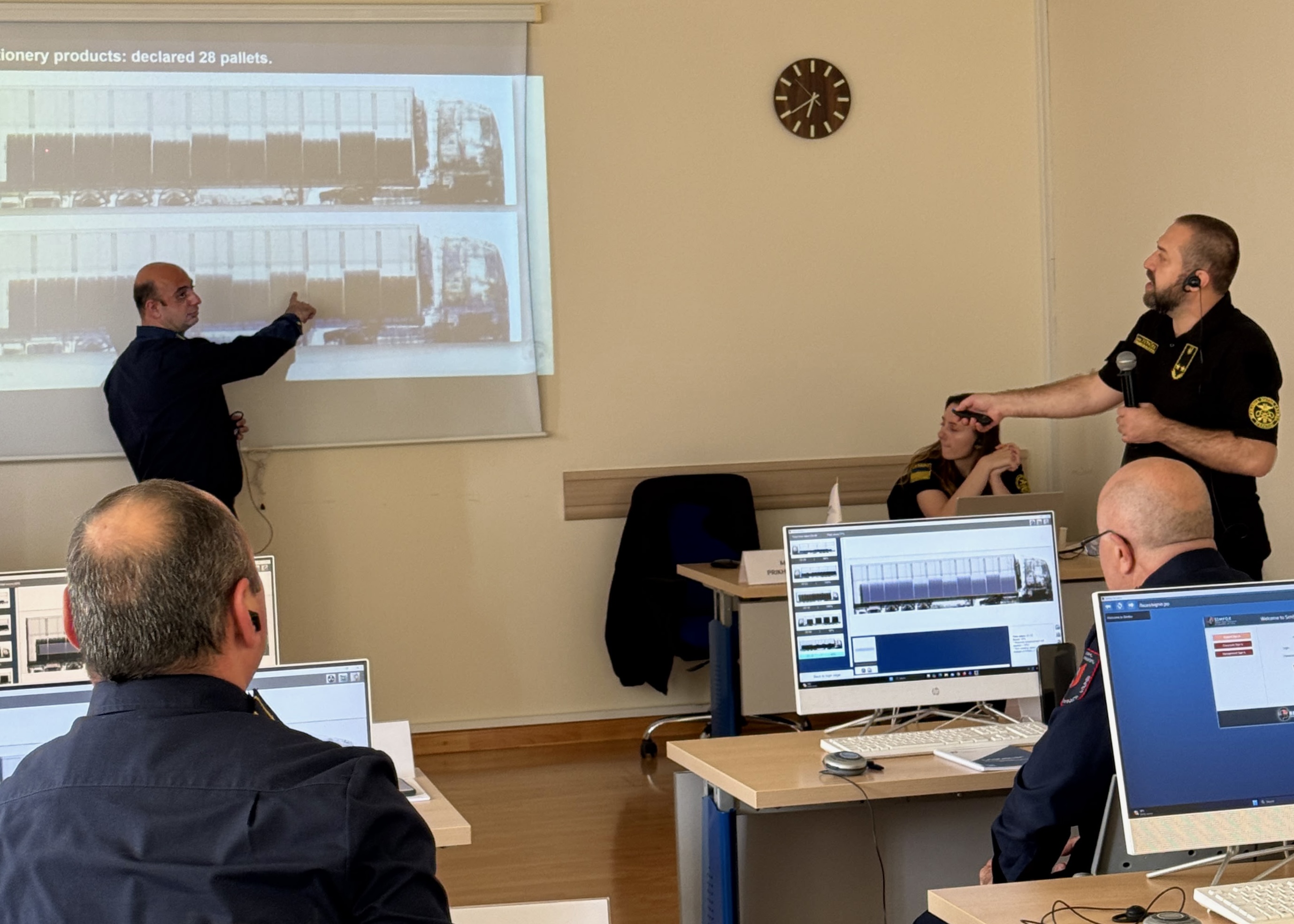
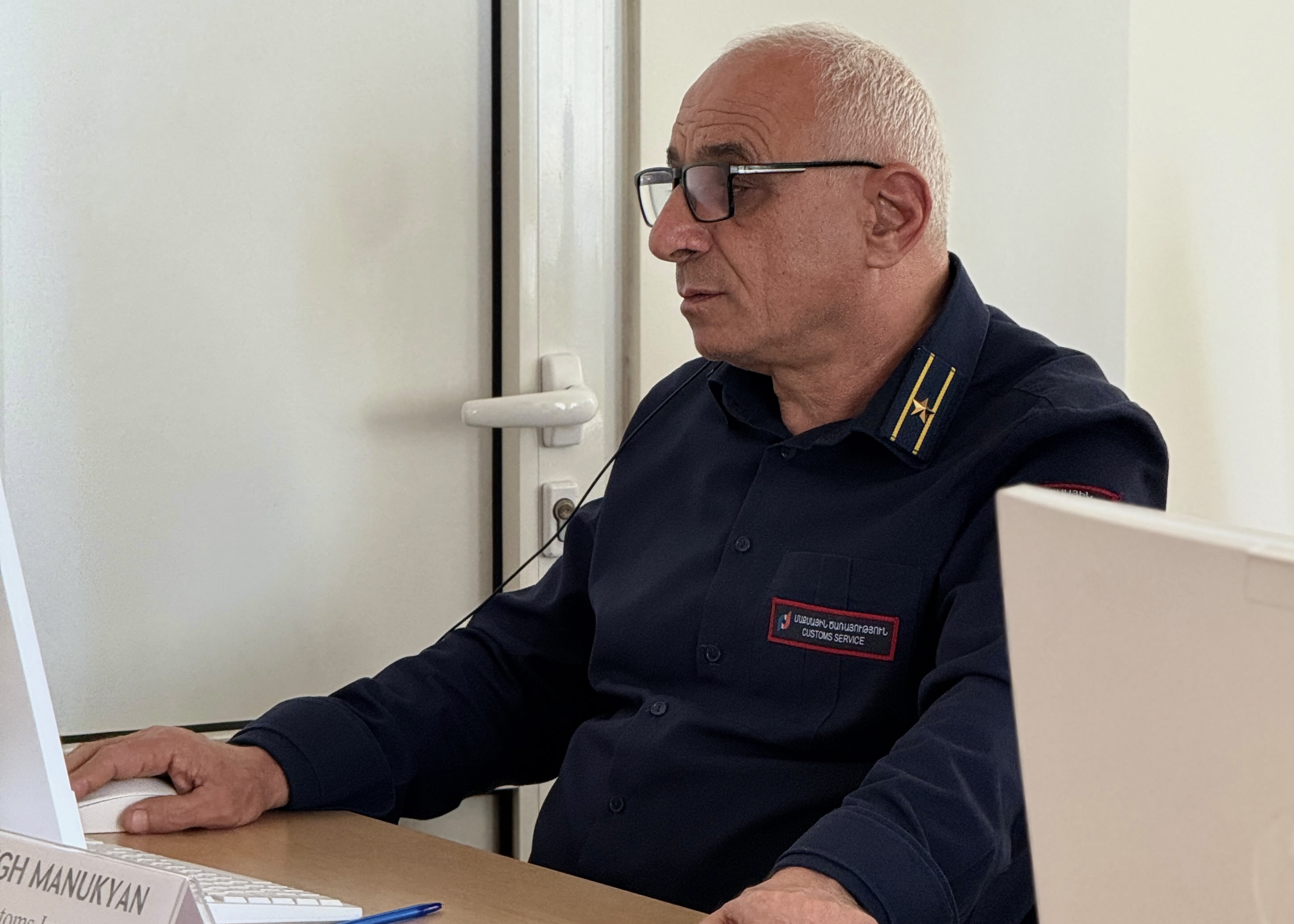
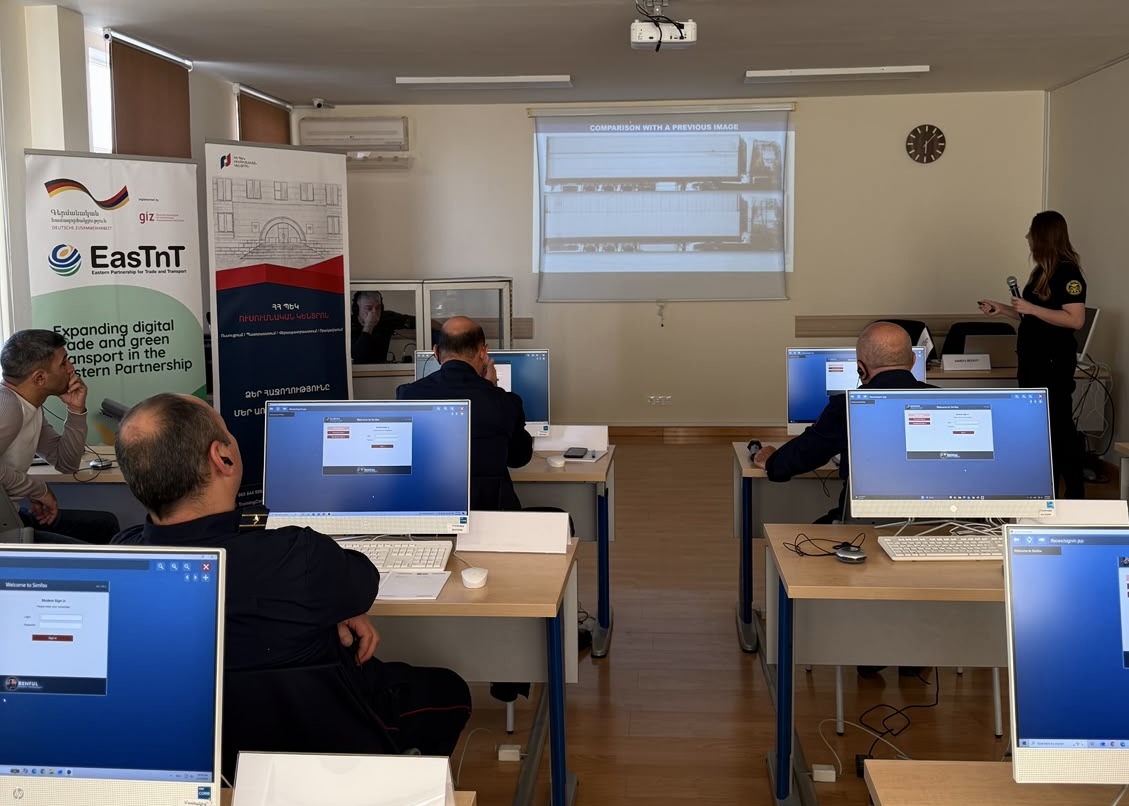
The first training course commenced on 4 November. The three-day practical course, entitled “Training for Cargo Scanning System Operators”, is designed for employees of the Technical Means of Customs Control Monitoring Division of the Department of Customs Service and Control at Land Border Crossing Points of the SRC of the Republic of Armenia.
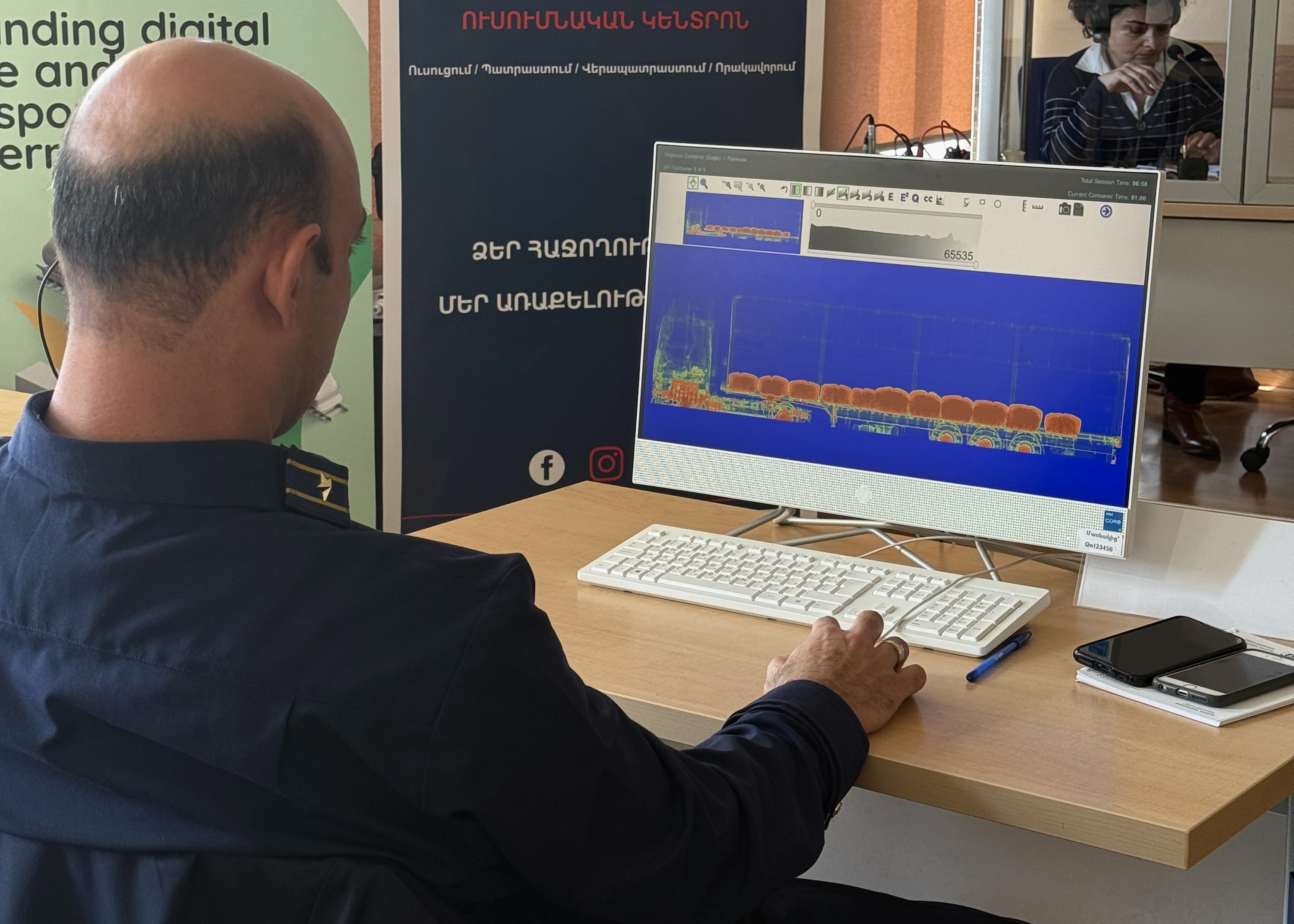
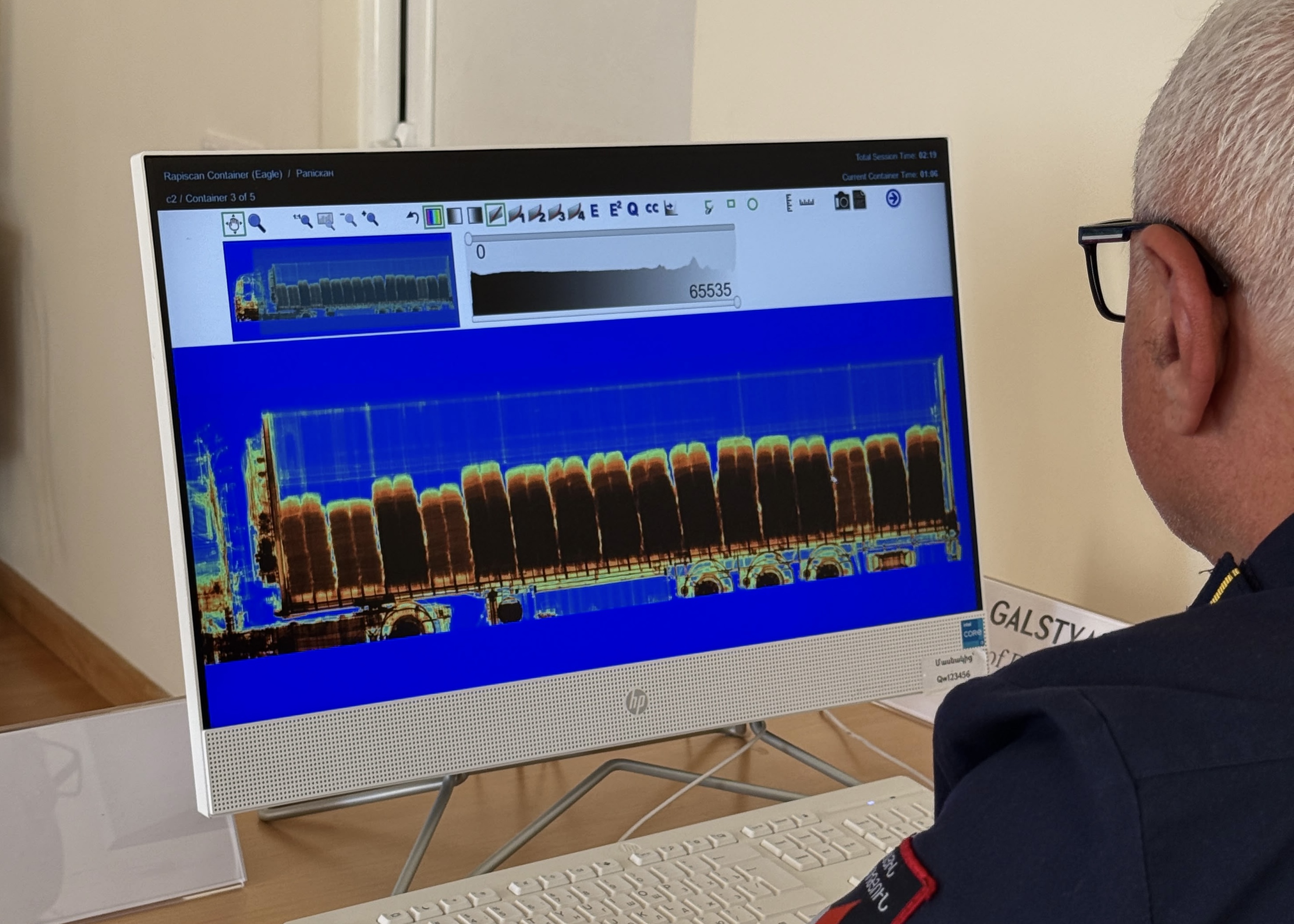
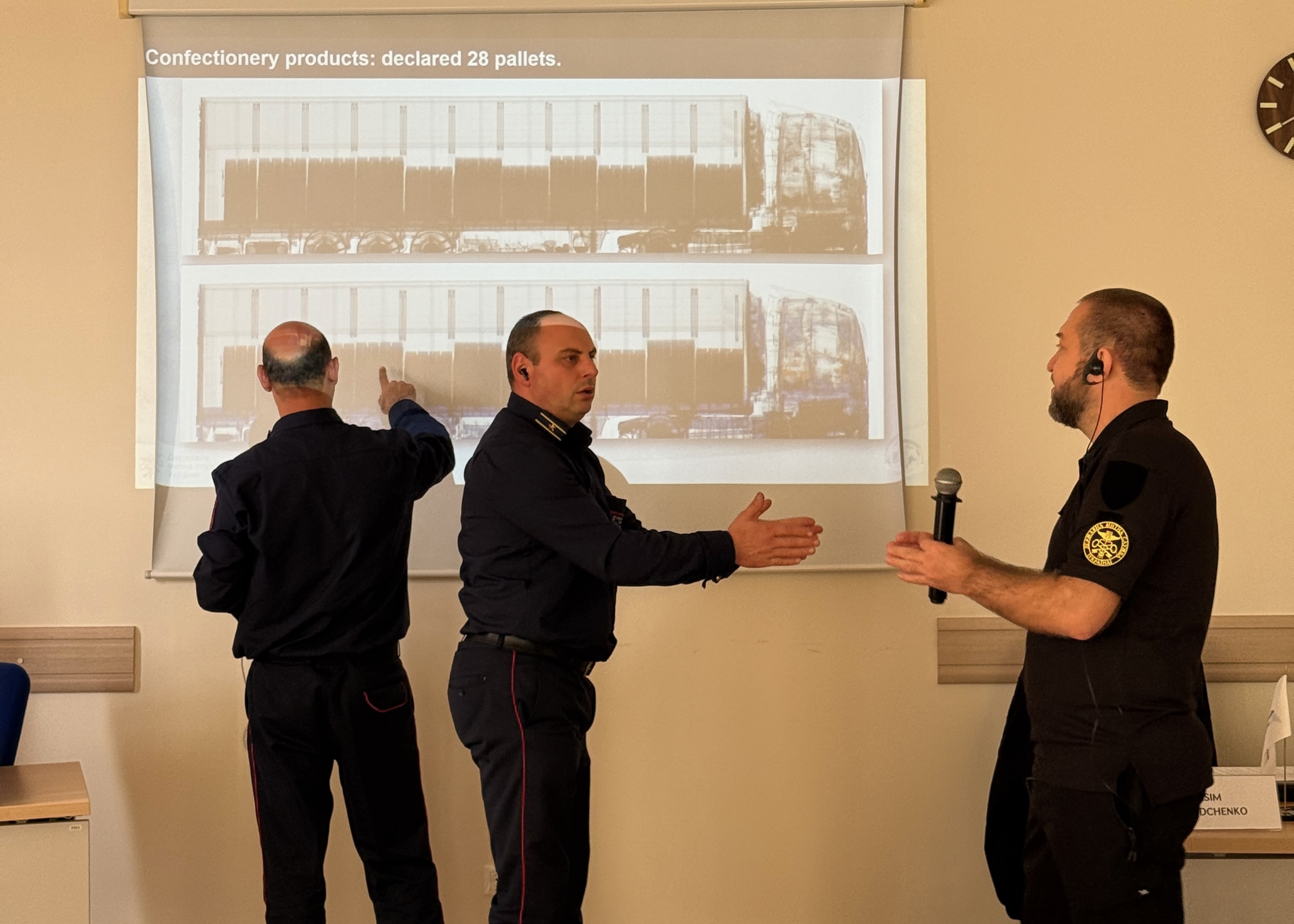
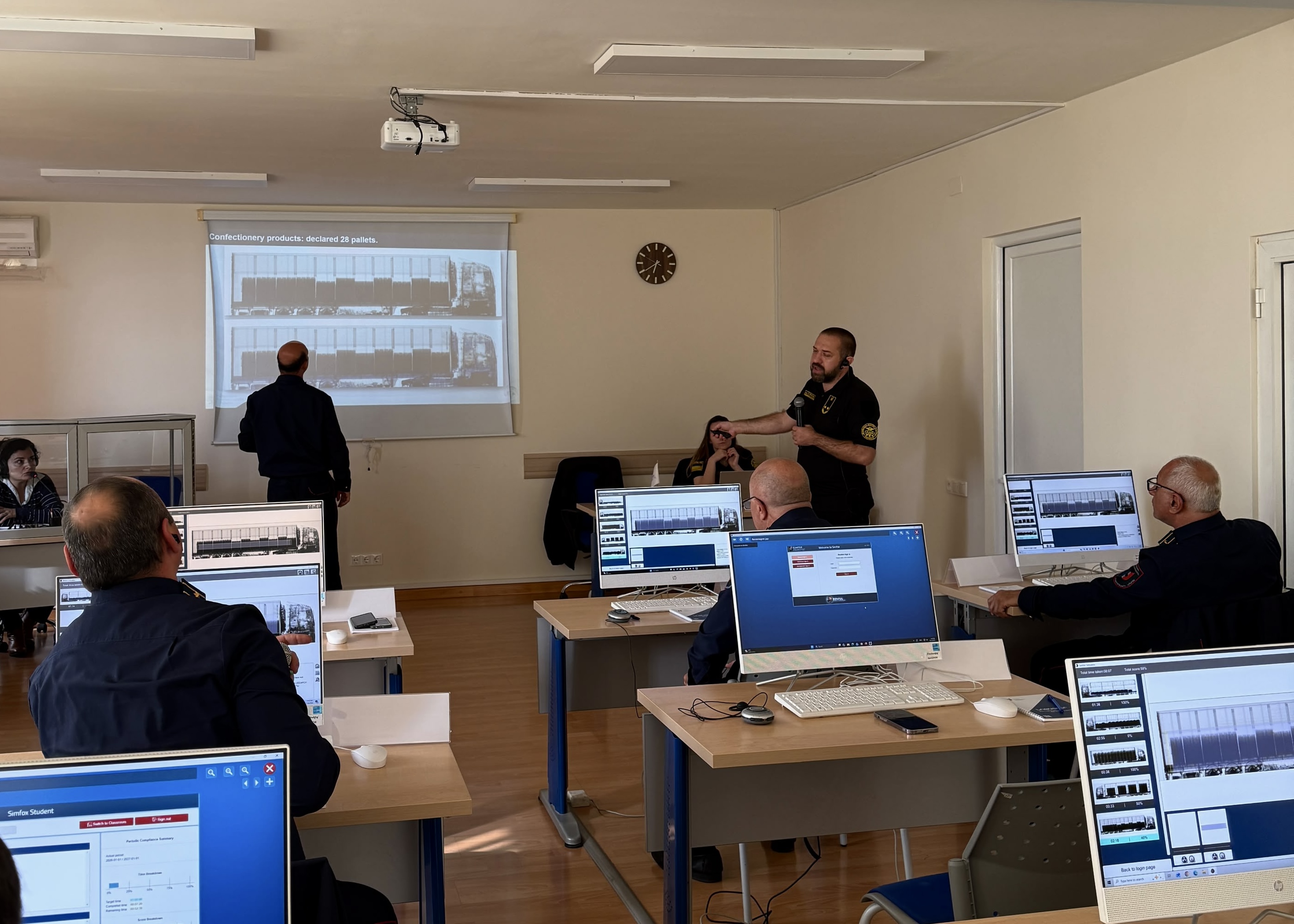
During the course, participants will become familiar with X-ray image analysis techniques and methods used to conceal prohibited goods. Through practical exercises, they will also develop their skills in identifying such goods.
On the first day of the training, participants study methods for analysing cargo scanning images, explore possible concealment techniques and learn to identify suspicious areas and risk indicators. During practical sessions, they analyse scanned images, complete assignments and discuss their professional findings.
The main objective of the course is to strengthen participants’ practical skills in image analysis and risk identification.
The initiative aims not only to facilitate the exchange of international expertise but also to strengthen professional capacities in customs control and promote the more effective use of modern technical equipment.